
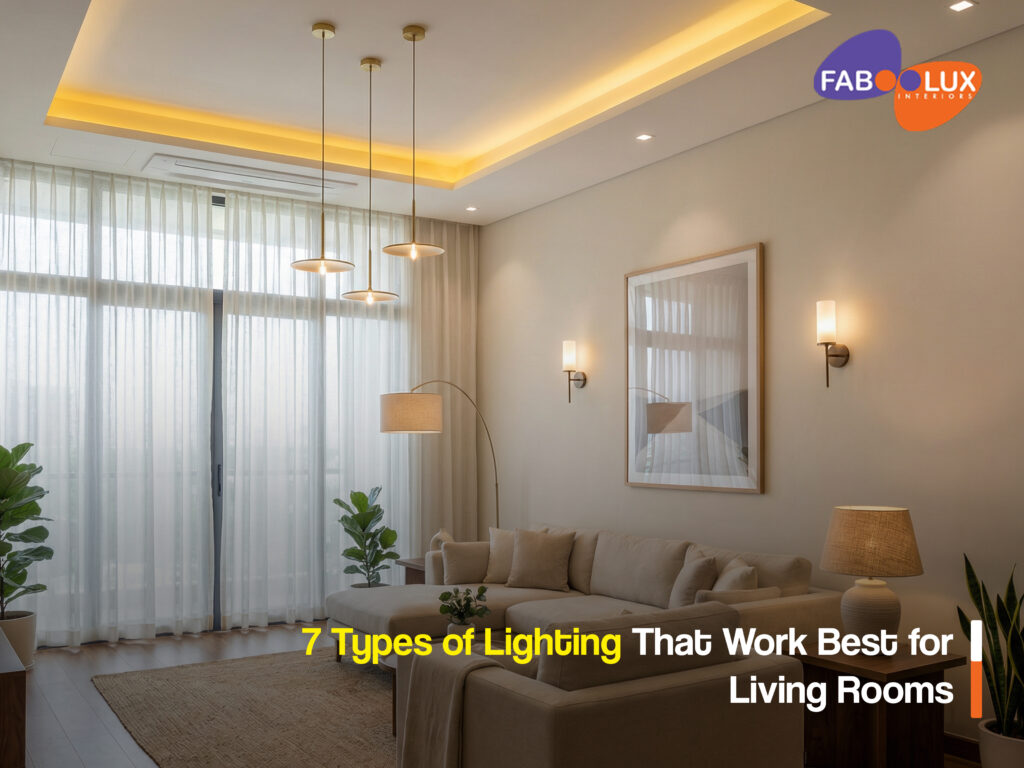
Your living room is more than just a space,it’s where your home truly comes alive. living room lighting ideas It’s where conversations happen, guests gather, and quiet evenings unfold. But here’s something most people underestimate:
Lighting is what actually defines how your living room feels.
I’ve worked on countless interiors over the years, and I can tell you this,even the most expensive furniture can fall flat under poor lighting, while a well-lit room can make even a simple setup look stunning.
Interior designers in Kerala, in this guide i’ll walk you through the 7 types of lighting every living room needs, along with practical insights you can actually apply.
Why Lighting Matters in Living Rooms
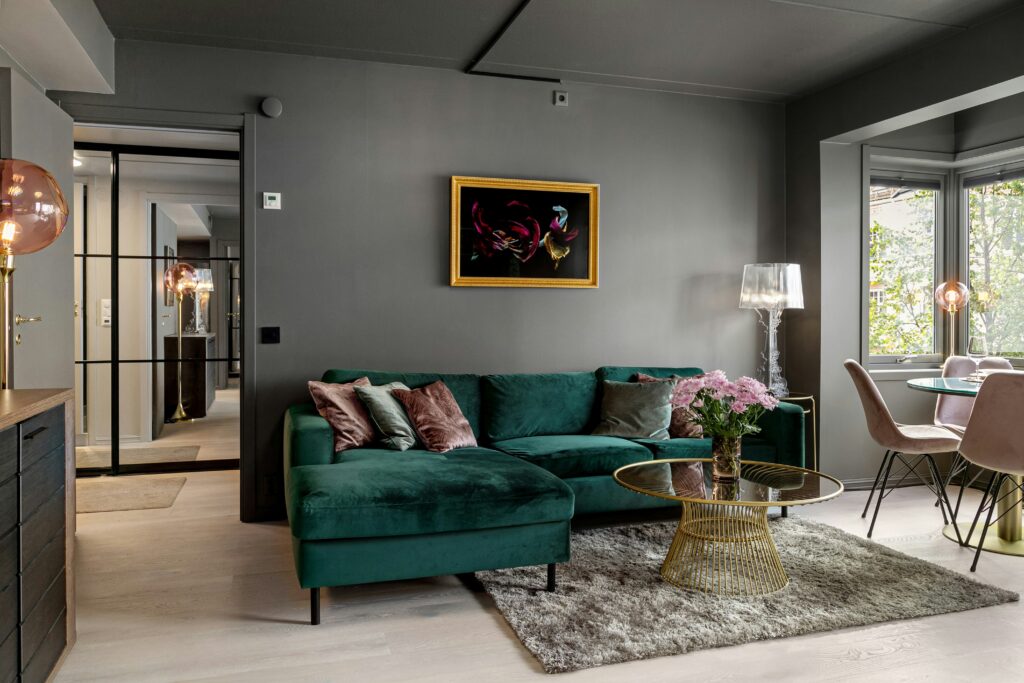
Before we jump into types, let’s understand the foundation.
Lighting affects three key things:
1. Mood & Atmosphere
Warm lighting creates a cozy, inviting space. Cooler lighting? It feels sharp, energetic,but not always relaxing.
2. Comfort
Bad lighting causes eye strain, shadows, and discomfort,especially during long evenings.
3. Functionality
Your living room lighting ideas isn’t just for sitting. You:
- Read
- Work
- Watch TV
- Entertain
Each activity needs different lighting support.
That’s why relying on a single light source never works.
The Secret: living room lighting ideas
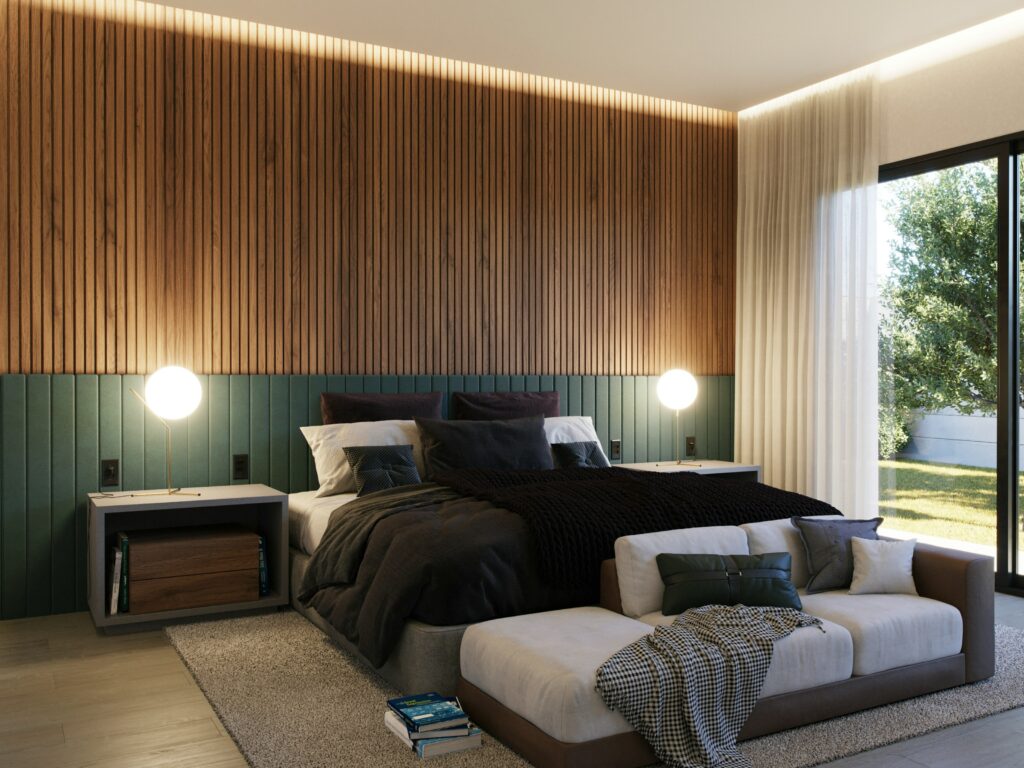
Here’s what separates a basic living room from a professionally designed one:
Layered lighting
living room lighting ideas combines:
- Ambient lighting (base layer)
- Task lighting (function)
- Accent lighting (visual interest)
Add decorative and natural lighting to that mix,and your room starts to feel complete.
1. Ambient Lighting (The Foundation of Your Living Room)
Ambient lighting is your primary light source,the one that fills the entire room.
Without it, nothing else works.
Common Ambient Lighting Options:
- Ceiling-mounted lights
- Recessed lighting (false ceiling setups)
- LED panel lights
Expert Tips:
- Stick to warm white (2700K–3000K)
- Avoid overly harsh brightness
- Install dimmers if possible
Pro Tip: If your ceiling light creates strong shadows, your ambient lighting isn’t well-balanced.
Design Insight:
In modern homes, I often recommend layered ceiling lighting,a mix of recessed lights + cove lighting. living room lighting ideas it spreads light evenly and looks premium.
2. Task Lighting for Functional Areas
Now let’s get practical.
Task lighting is all about helping you perform specific activities comfortably.
Where You Need It:
- Reading corners
- Work-from-home setups
- Craft or hobby zones
Best Options:
- Adjustable floor lamps
- Reading lamps
- Desk lamps
Placement Tips:
- Place lights slightly behind or beside you, not directly in front
- Avoid glare on screens or books
If you find yourself adjusting your position to see better,that’s a task lighting problem.
Real-World Tip:
In compact homes, a floor lamp near the sofa can double as both task + ambient lighting.
3. Accent Lighting to Highlight Decor
This is where your living room starts telling a story.
Accent lighting adds depth, drama, and focus.
Highlight These Elements:
- Artwork
- Shelves or display units
- Indoor plants
- Textured walls
Lighting Options:
- Spotlights
- LED strip lights
- Wall washers
Why It Matters:
Without living room lighting ideas, your room can feel flat,even if everything is beautifully designed.
Good accent lighting makes your space look curated, not cluttered.
Designer Tip:
Use warm LED strips under shelves or TV units,it instantly elevates the space.
4. Decorative Lighting for Style
living room lighting ideas isn’t just functional,it’s also a design statement.
Popular Decorative Fixtures:
- Chandeliers
- Pendant lights
- Sculptural lighting
Spotlight: Pendant Lights
Pendant lights hang from the ceiling using cords or rods and are perfect for:
- Creating focal points
- Adding modern aesthetics
- Defining zones in open layouts
Think of decorative lighting as the “personality” of your living room.
Pro Insight:
Never oversize your chandelier,it should complement, not overpower the room.
5. Floor Lamps for Flexible Lighting
If I had to pick one “must-have” lighting element for modern homes,it’s this.
Floor lamps are:
1. Flexible
2. Stylish
3. Easy to use
Ideal For:
- Small apartments
- Empty corners
- Reading zones
Types to Consider:
- Arc lamps (great for sofas)
- Tripod lamps (decor-focused)
- Minimalist lamps (modern homes)
Why Designers Love Them:
- No installation required
- Easy to move
- Instantly upgrades a dull corner
6. Table Lamps for Cozy Ambience
Table lamps are underrated,but incredibly powerful.
They create soft, layered lighting that feels warm and inviting.
Best Places to Use Them:
- Side tables
- Console tables
- Open shelves
Benefits:
- Adds depth to lighting
- Enhances mood
- Acts as décor
This is the lighting you switch on when you want to relax,not when you need brightness.
Expert Tip:
Use fabric or frosted shades for softer light diffusion.
7. Natural Lighting (The Most Powerful Light Source)
Let’s not forget the best light source of all,natural light.
It does what artificial lighting tries to replicate.
Benefits:
- Makes the room feel bigger
- Improves mood
- Saves energy
How to Maximize It:
- Use large windows
- Add sheer curtains instead of heavy drapes
- Place mirrors opposite windows
A naturally lit room always feels more premium and welcoming.
How to Layer Lighting in a Living Room (Step-by-Step)
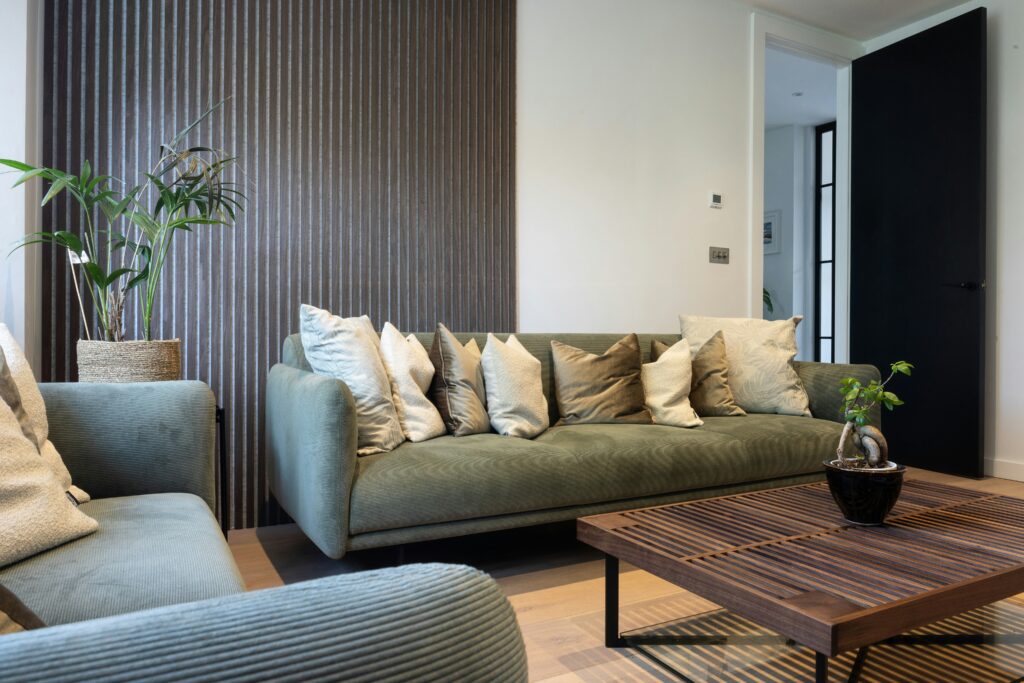
Let’s bring everything together.
Step 1: Start with Ambient Lighting
Ensure your room has even overall brightness.
Step 2: Add Task Lighting
Identify functional zones:
- Sofa – reading lamp
- Desk – task lamp
Step 3: Introduce Accent Lighting
Highlight:
- TV units
- Artwork
- Shelves
Step 4: Add Decorative Elements
Include:
- Pendant lights
- Statement fixtures
The result?
- Balanced lighting
- Better usability
- Strong visual appeal
Layered lighting = comfort + style + functionality.
Common Living Room Lighting Mistakes to Avoid
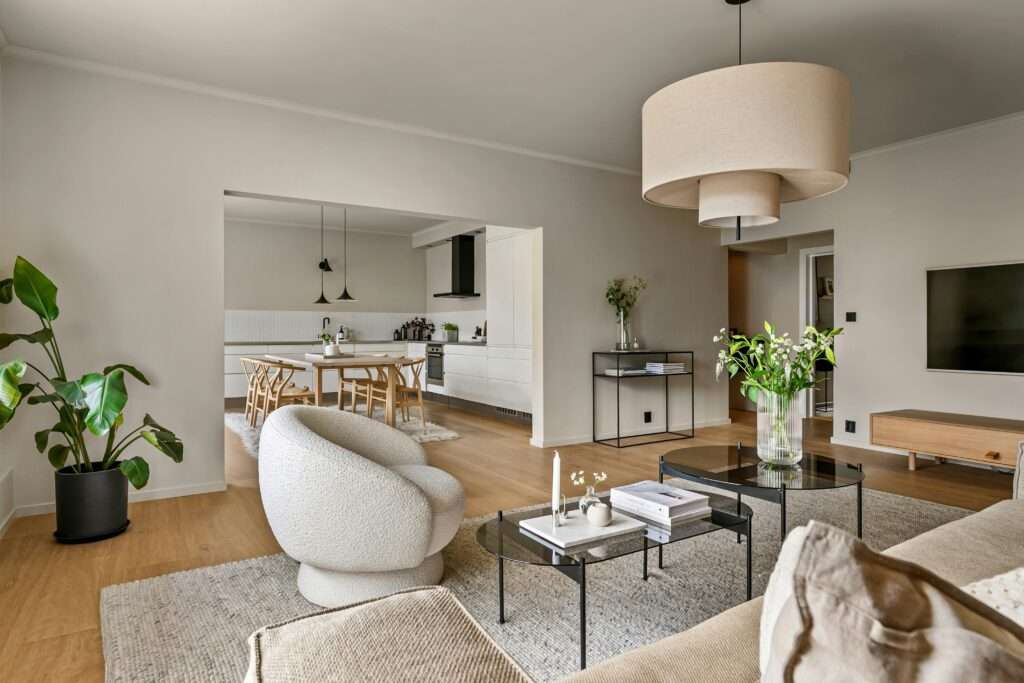
Even well-designed spaces can fail because of poor lighting choices.
Using Only One Ceiling Light
This creates flat, boring lighting.
Too Much Cool White Lighting
Makes the room feel cold and uninviting.
Poor Lamp Placement
Leads to shadows and uneven brightness.
Ignoring Natural Light
Blocking windows kills the room’s potential.
Overlighting the Space
Too many bright lights can feel overwhelming.
Fixing these mistakes alone can completely transform your living room.
Pro Tips from Years of Interior Design Experience
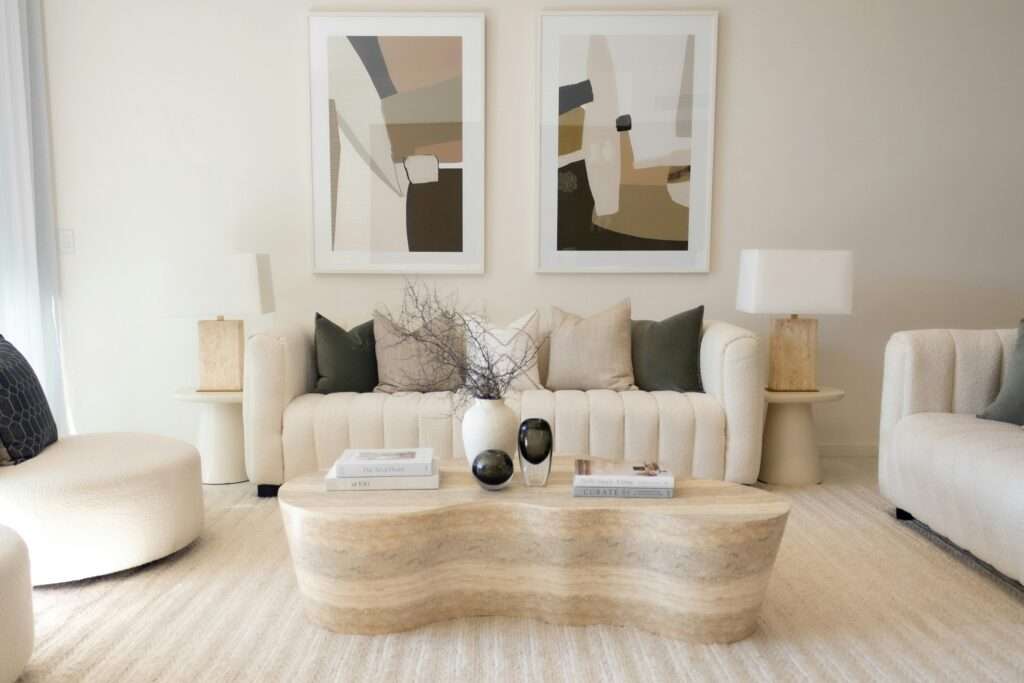
Let me share a few things clients usually learn the hard way:
- Always install dimmers wherever possible
- Mix at least 3 light sources in a room
- Avoid placing all lights at the same height
- Use lighting to guide attention, not just illuminate
Lighting is not about brightness,it’s about balance.
Conclusion
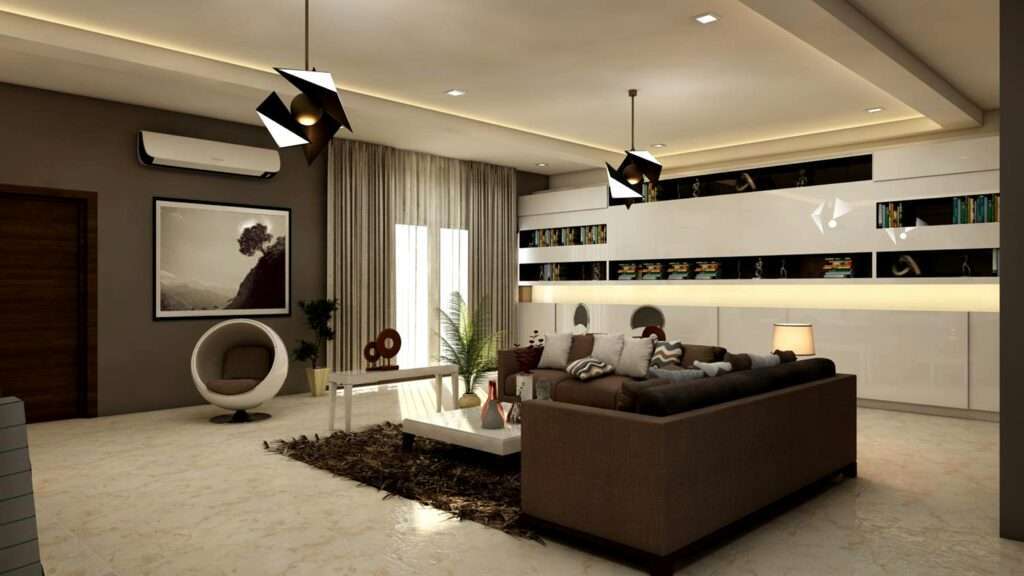
At the end of the day, lighting is what defines your living room experience.
It influences:
- How your space looks
- How it feels
- How you use it
The best approach?
Layer your lighting.
Combine:
- Ambient lighting
- Task lighting
- Accent lighting
- Decorative fixtures
- Natural light
And you’ll create a living room that feels:
1. Comfortable
2. Functional
3. Beautiful
Ready to transform your space?
Explore our Living Room Collection to discover furniture and décor that perfectly complements your lighting design,and helps you create a space that truly feels like home.