

If there’s one thing we’ve learned after designing hundreds of homes across Kerala, Best materials for wardrobes in Kerala it’s this: homeowners spend a lot of time choosing the colour of their wardrobe shutters and very little time thinking about what’s behind them.
And that’s completely understandable. The finish is what you see. The material is what you live with.
Choose the wrong wardrobe material and you’re looking at shutters that won’t close properly within two years, boards that swell in the monsoon, termite damage that works its way quietly through your storage, and a complete redo that costs more than getting it right the first time would have.
In Kerala especially, this isn’t a theoretical risk. The humidity here is relentless. What works perfectly in a dry climate can fail badly in a home in Kochi or Thrissur where the air holds moisture for most of the year.
This guide breaks down the top 6 materials used for wardrobes and cupboards in modern homes , what each one is, where it works, where it doesn’t, and how to choose the right one for your specific situation.
Quick Picks, Best materials for wardrobes in Kerala
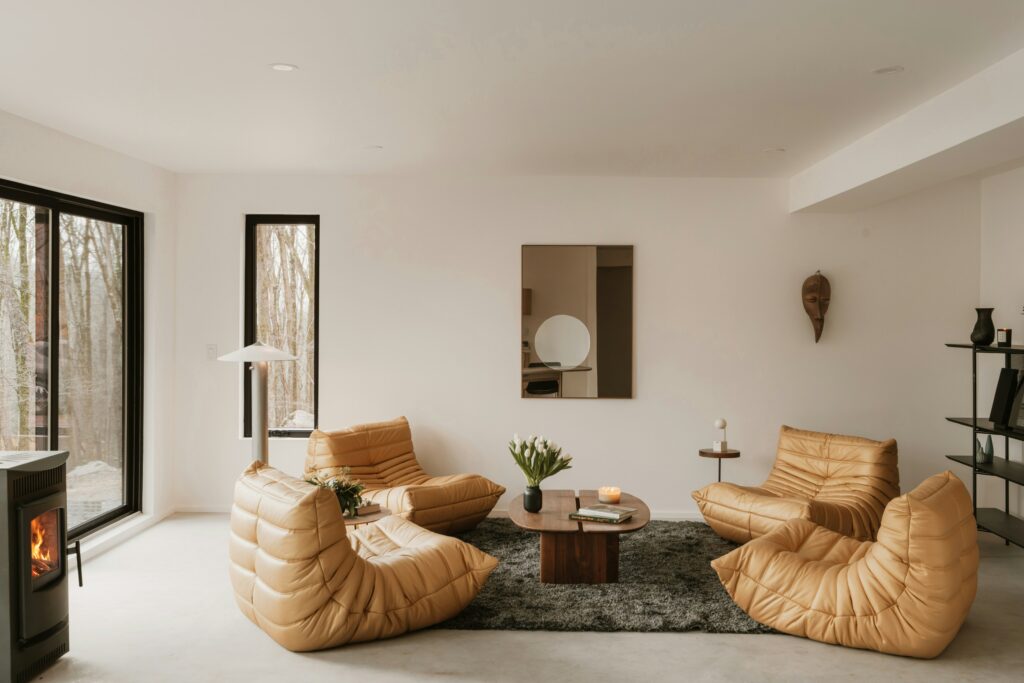
Before we go deep, Best materials for wardrobes in Kerala here’s the short version for those who just need a fast answer:
- Best overall: Plywood , strong, moisture-resistant, long-lasting
- Best budget option: Particle board , affordable for short-term or rental use
- Best for premium homes: Solid wood , teak or oak for luxury, timeless interiors
- Best for humid climates (Kerala): Marine plywood , built specifically to handle moisture
- Best for modern aesthetics: Glass shutters combined with MDF or plywood frames
Now let’s get into the details.
Why the Material Choice Actually Matters
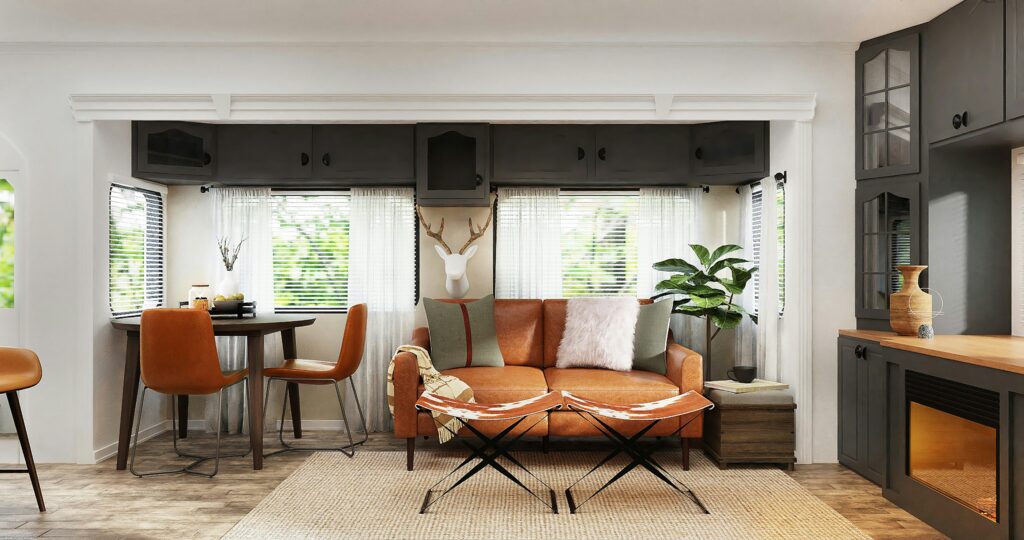
A wardrobe isn’t a decorative purchase. It’s a structural element of your home that you open and close multiple times every single day, store valuable clothing and belongings in, and expect to last for at least a decade , ideally two.
The material determines how long it lasts, how well it holds up to daily use, how it responds to moisture and temperature changes, how much maintenance it needs, and ultimately whether your investment holds its value or deteriorates quietly behind those beautiful shutter finishes.
Interior designers in Kerala, three factors make material selection particularly important: high ambient humidity, seasonal flooding risk in coastal and low-lying areas, and termite activity , which is more prevalent here than in drier parts of India. A material that ignores any one of these three things is a risk not worth taking.
The Top 6 Wardrobe Materials , Explained Honestly
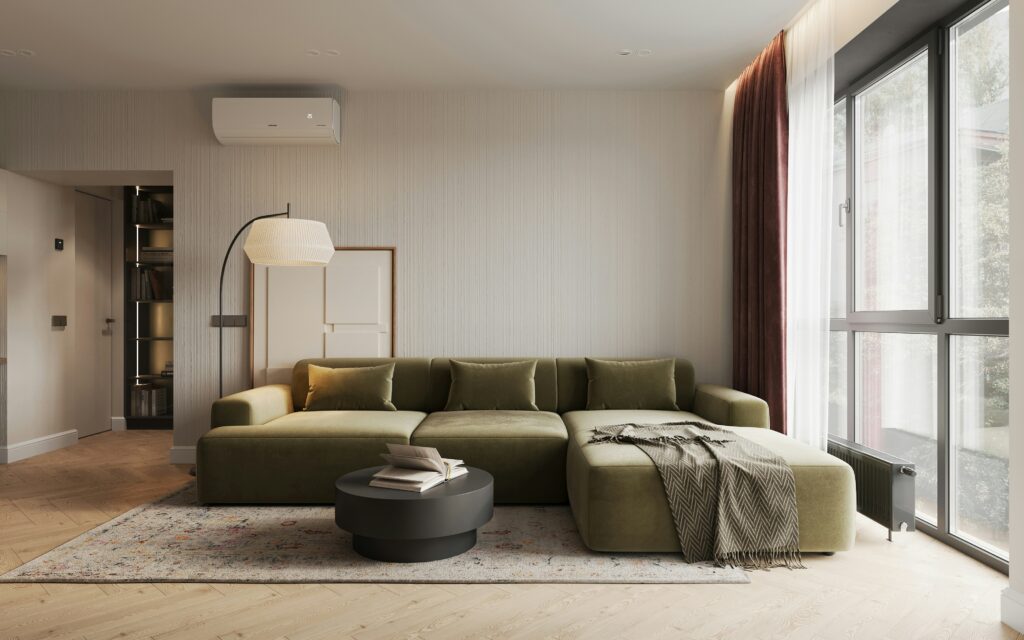
1. Plywood, The Most Reliable Choice for Most Homes
Plywood is the material we recommend most consistently at Faboolux, and it’s what most experienced interior designers across Kerala default to for good reason.
It’s engineered from multiple thin layers of wood veneer bonded together with their grains running in alternating directions. That cross-grain construction is what gives plywood its strength , it resists warping, holds screws tightly, and doesn’t give way under the weight of stacked clothing and heavy items stored over years.
Why it works in Kerala: Plywood, especially BWR (Boiling Water Resistant) or BWP (Boiling Water Proof) grade, handles moisture far better than most alternatives. Marine plywood , the premium end of the plywood range , is specifically engineered for high-humidity and water-exposure conditions, making it the most sensible choice for homes in coastal areas or places with heavy monsoon exposure.
Pros: High strength and durability, good moisture resistance, long lifespan of 15–25 years with proper finishing, holds hinges and hardware securely
Cons: Costs more than MDF or particle board upfront
Best for: Apartments, villas, any home where you want the wardrobe to genuinely last
Expert tip: Interior designers in Kochi consistently recommend BWP-grade plywood for wardrobes in homes near the coast or in areas with poor ventilation. The price difference over MDF is recovered within a few years in maintenance savings alone.
2. MDF, Good for Looks, Not for Humidity
MDF (Medium Density Fibreboard) is made from compressed wood fibres bonded with resin. The result is a material with an extremely smooth, uniform surface , which makes it excellent for painted finishes and detailed shutter profiles that need a clean, consistent base.
You’ll see MDF used frequently in modular furniture and display units, and it looks great when freshly installed.
The problem in Kerala is what happens over time.
MDF has poor water resistance. In humid conditions, it absorbs moisture, swells, and loses structural integrity. Edges are particularly vulnerable , once the sealed edge is compromised, the board absorbs moisture rapidly and the damage spreads. We’ve seen MDF wardrobes in poorly ventilated Kerala bedrooms start showing problems within 18 months.
Pros: Smooth finish ideal for paint and lacquer, affordable, consistent texture with no grain variation
Cons: Swells in humid or coastal conditions, poor screw-holding strength compared to plywood, shorter lifespan in Kerala’s climate
Best for: Decorative elements, low-moisture interior spaces, air-conditioned rooms with controlled humidity
Avoid if: Your home is in a coastal area, a ground floor flat, or any space with ventilation challenges
3. Particle Board, Honest About What It Is
Particle board is made from wood chips, sawdust, and resin compressed into boards. Best materials for wardrobes in Kerala it’s the most economical option in the wardrobe material category, and it’s honest about what it offers: a functional, budget-friendly solution for situations where long-term durability isn’t the primary requirement.
Rental properties, temporary setups, service areas, and utility storage are where particle board makes sense. For the main wardrobes in a home you’re living in long-term, it doesn’t.
Pros: Very low cost, lightweight, widely available
Cons: Weak durability, highly moisture-sensitive, poor screw retention , hinges and fittings can loosen over time, not suitable for heavy loads
Best for: Rental homes, temporary accommodation, utility and storage areas where appearance and longevity aren’t priorities
Avoid if: You want the wardrobe to last more than 5 years, or if the space has any humidity exposure
4. Solid Wood, Premium, Timeless, and Worth It If You Can Afford It
Solid wood wardrobes , typically teak, oak, or rosewood , represent the premium end of the spectrum. There’s a reason traditional Kerala homes used teak for everything from doors to furniture: properly treated teak is extraordinarily durable, develops a beautiful patina over time, and can genuinely last generations.
The challenge with solid wood in modern homes is cost and movement. Wood is a natural material that expands and contracts with changes in humidity and temperature. In Kerala’s climate, this means solid wood wardrobes need proper treatment, finishing, and occasionally adjustment over time to ensure shutters continue to align correctly.
Pros: Extremely durable, luxury appeal, unique natural character, repairable if damaged, can be refinished and restored
Cons: Significantly more expensive than engineered wood options, requires periodic maintenance, can expand and contract seasonally
Best for: Luxury villas, heritage and traditional interiors, homeowners who want furniture that becomes a family heirloom
5. Glass, Modern, Spacious, and Stylish
Glass as a wardrobe material is almost always used for shutters rather than structural elements , typically framed in aluminium or combined with a plywood or MDF carcass. Frosted glass, clear glass, and lacquered back-painted glass are the most common variants used in modern Kerala homes.
The visual effect is undeniable. Glass shutters make a wardrobe feel lighter, reflect light to make the room feel larger, and give the space a contemporary, premium look that works particularly well in compact bedrooms where visual weight matters.
Pros: Sleek modern aesthetic, enhances perception of space, available in many finishes, pairs well with aluminium profiles for a clean look
Cons: Requires regular cleaning to look its best, fragile compared to wood alternatives, not suitable as a standalone structural material
Best for: Contemporary homes, master bedrooms, spaces where aesthetics are a priority alongside functionality
6. Metal, Practical, Termite-Proof, Underrated
Steel and aluminium wardrobes don’t get enough credit in the interior design conversation. They’re not glamorous, but for the right application they’re genuinely excellent , completely termite-proof, highly durable, low maintenance, and increasingly available in finishes that look clean and modern rather than industrial.
Best materials for wardrobes in Kerala, where termite activity is a real concern, metal wardrobes for utility spaces, children’s rooms, or service areas are a practical choice worth considering.
Pros: Termite-proof, very durable, low maintenance, fire-resistant
Cons: Limited aesthetic range compared to wood-based options, can dent, feels less warm in a residential setting
Best for: Utility rooms, storage areas, minimalist interiors, homes with known termite risk
Comparison Table
Material | Durability | Cost (₹/sq ft) | Moisture Resistance | Best Use Case |
Plywood (BWP) | Very High | ₹80–₹150 | High | Villas, apartments, long-term homes |
MDF | Medium | ₹60–₹120 | Low | Decorative, AC rooms only |
Particle Board | Low | ₹40–₹80 | Very Low | Rental, temporary use |
Solid Wood | Very High | ₹150+ | Medium (needs treatment) | Luxury, traditional homes |
Glass | Medium | Varies | High | Contemporary shutters |
Metal | High | Varies | Very High | Utility, minimalist spaces |
How to Choose the Right Material , A Simple Step-by-Step
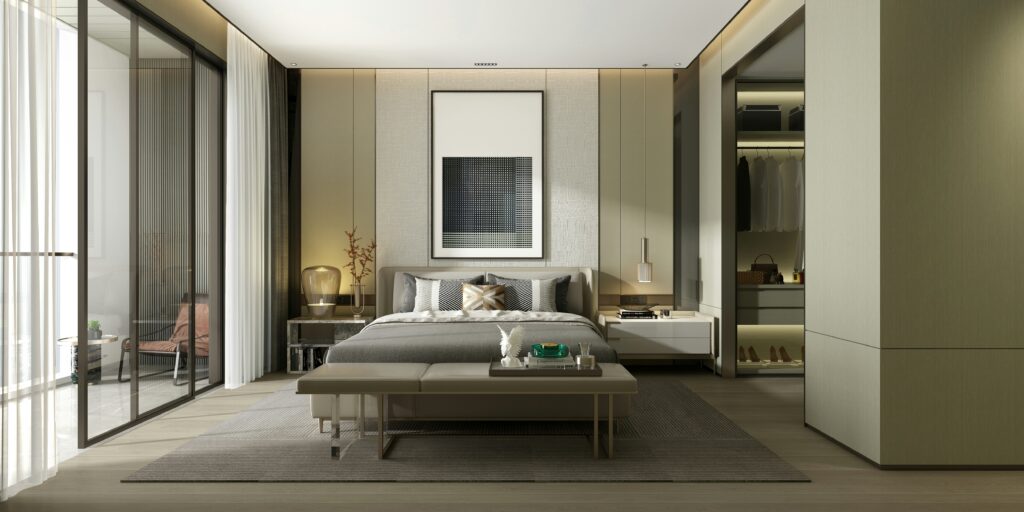
Step 1 , Set your budget honestly. Not what you’d like to spend, but what you’re actually working with. This immediately narrows your options.
Step 2 , Check your location and ventilation. Ground floor flat near the coast? Marine plywood is non-negotiable. Well-ventilated villa bedroom with AC? Your options open up.
Step 3 , Think about usage. Daily-use main wardrobes need the most durable material. A utility cupboard in the garage doesn’t.
Step 4 , Decide your design direction. Contemporary look? Consider glass shutters on a plywood carcass. Traditional or premium? Solid wood or teak veneer on plywood.
Step 5 , Factor in maintenance. Be honest about how much upkeep you’ll actually do. Low-maintenance materials like metal or laminate-finished plywood are better choices for most households than high-gloss finishes that need regular attention.
What We Recommend for Best materials for wardrobes in Kerala
Based on our experience designing homes across Kerala , from apartments in Kochi to large villas in Thrissur and Calicut , our standard recommendation is this:
Marine or BWP plywood for the carcass, with a laminate finish on the shutters.
This combination handles Kerala’s humidity reliably, holds hardware securely over years of daily use, and looks clean and modern with the right laminate choice. Most interior designers in Thrissur and Kochi follow this approach for exactly these reasons.
Add termite-resistant treatment to all wood-based materials before installation, seal all exposed edges properly, and use quality hardware. These three steps alone will significantly extend the life of any wardrobe regardless of the base material.
Wrapping Up
The material inside your wardrobe matters more than most homeowners realise , and in Kerala especially, getting this decision wrong is an expensive mistake that shows up slowly and then all at once.
Plywood for durability. Marine grade if you’re near the coast or dealing with humidity. Laminate finishes to protect the surface. Quality hardware to make it last. That’s the formula that works.
If you’re designing wardrobes for a new home or renovation and want advice specific to your space, talk to our team at Faboolux. We offer design consultations across Kerala , Kochi, Thrissur, Calicut, and beyond , and we’ll help you make material choices that hold up as well in year ten as they do on day one.