
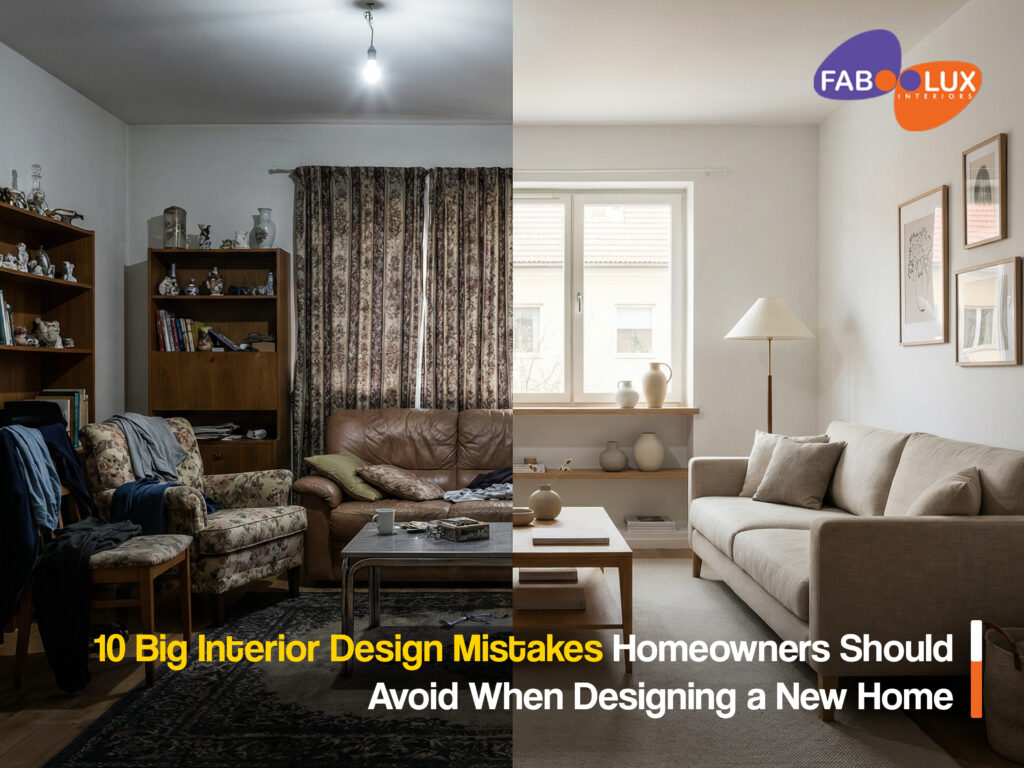
You’ve got the keys. interior design mistakes to avoid, the floor plan is ready. And your head is full of ideas pulled from Instagram saves, Pinterest boards, and that one showroom visit you still can’t stop thinking about.
Designing a new home feels like the most exciting project of your life , because it is.
But here’s something we see regularly at Faboolux, working with homeowners across Kerala: the excitement of a new home can quietly become the enemy of good design decisions. When everything feels urgent and every choice feels fun, it’s surprisingly easy to make mistakes that take years , and a lot of money , to undo.
The hard truth? Most homeowners only get one real shot at designing their home from scratch. Unlike repainting a wall or swapping a cushion cover, many interior design decisions are baked into the structure of the home itself. Get them wrong, and you’re either living with the consequences or spending significantly to fix them.
The good news is that these interior designers in kochi are completely helpful. We’ve seen them enough times to know exactly where they happen, why they happen, and , more importantly , how to prevent them before a single wall goes up.
Here are the 10 biggest mistakes to watch out for.
Mistake 1: Skipping the Planning Phase and Going Straight to Shopping
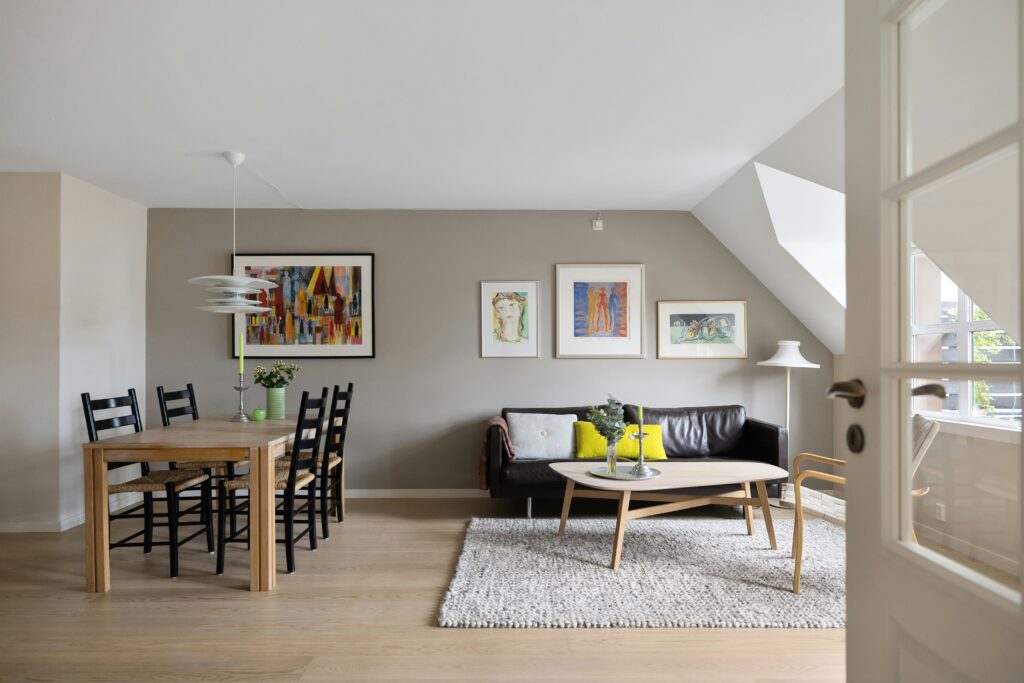
This is the most common mistake, and it almost always starts the same way.
You walk into a furniture store “just to look” and walk out having ordered a sofa, a dining table, and a bookshelf , none of which you’ve measured against your actual room dimensions. Or you fall in love with a tile online and buy it before your flooring layout is finalised. It feels productive. It feels like progress. It isn’t.
Designing without a plan means every decision happens in isolation. The sofa doesn’t work with the rug you bought later. The tile clashes with the wall colour your painter suggested. The bookshelf blocks the natural light from the window you forgot to account for.
What to do instead: Before spending a single rupee on furniture or materials, build your design plan. This means a proper floor layout with accurate dimensions, a mood board that locks in your visual direction, a cohesive colour palette, and a clear budget allocation per room. Every purchase decision should flow from this plan , not the other way around.
This is exactly where working with a professional interior designers in kerala team pays off the most. At Faboolux, we begin every project with a thorough design consultation so that by the time materials are being selected, there are no surprises.
Mistake 2: Ignoring Electrical and Lighting Planning
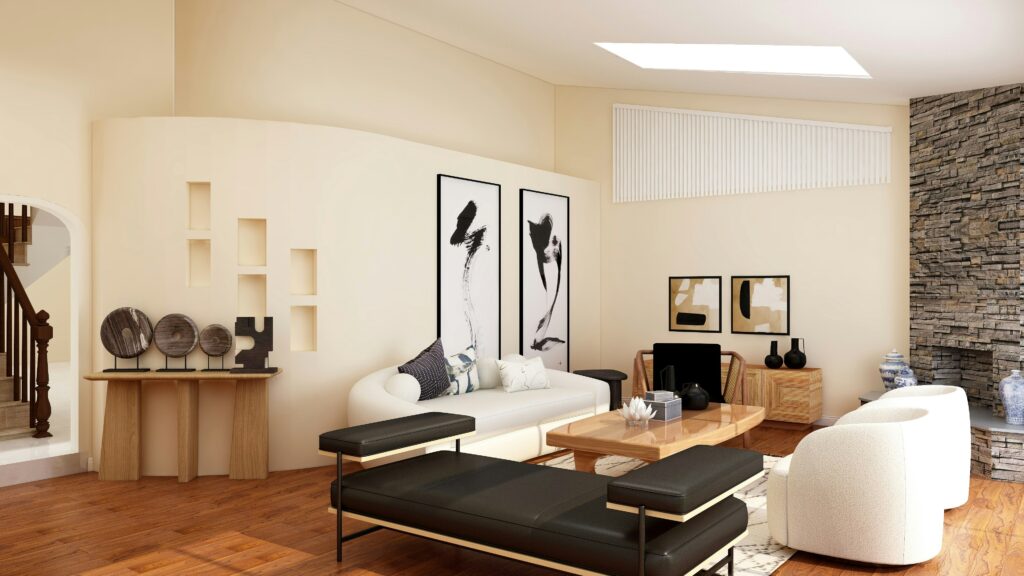
Most homeowners assume this is the builder’s job. And technically, it is , for the basics. But “basic” electrical planning gives you functional switches and standard ceiling lights. It doesn’t give you a home that feels thoughtfully lit and genuinely comfortable to live in.
We’ve walked into completed homes where the only switch for the living room lights is placed awkwardly near the entrance, where there isn’t a single power outlet on the wall behind the sofa, or where the kitchen counter has zero task lighting and the cook works entirely in the shadows. These aren’t dramatic failures , they’re small, daily frustrations that compound over years.
And here’s the thing: fixing electrical placement after the walls are closed means breaking plaster, re-plastering, re-painting, and spending several times what it would have cost to plan properly in the first place.
What to do instead: Plan your lighting in three layers , ambient lighting for overall illumination, task lighting for functional work areas like the kitchen counter, study desk, and bathroom mirror, and accent lighting to highlight architectural features or artwork. Simultaneously, map out where you’ll actually use devices and appliances in each room, and plan plug points accordingly. Get this locked in before the walls close. It’s a conversation that takes an hour and saves years of frustration.
Mistake 3: Getting Furniture Scale Wrong
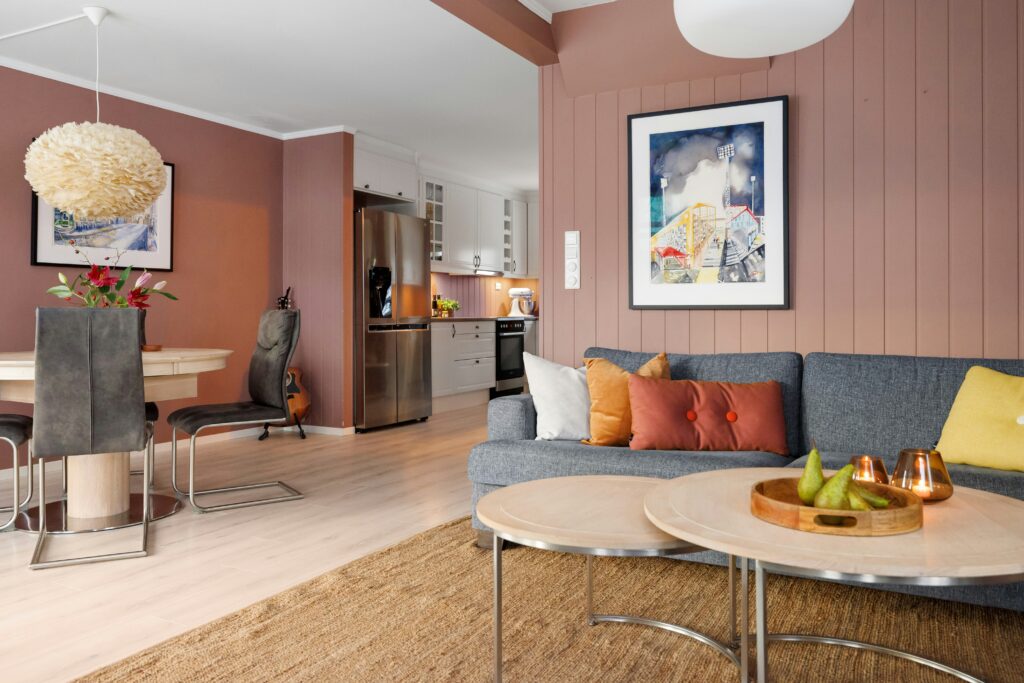
Furniture showrooms are designed to make everything look good. The sofa sits in a generously sized display floor, well-spaced from everything around it, lit perfectly. You sit in it, love it, and order it.
Then it arrives at your home and takes up three-quarters of your living room.
Scale is one of the trickiest things to judge without proper planning tools. Too-large furniture makes a room feel cramped and claustrophobic. Too-small furniture in a large room looks lost and makes the space feel unfinished. Both are very easy to get wrong and expensive to reverse.
What to do instead: Always work with your actual room dimensions before selecting any furniture. As a basic rule, maintain at least 90cm of clear walkway space around key furniture pieces so the room feels open and navigable. Your dining rug should extend at least 60cm beyond the table on all sides so chairs remain on the rug when pulled out. Your sofa should leave breathing room between itself and the walls it faces.
Better yet , visualise it before you commit. Our FabSketch 3D design tool lets you see exactly how your furniture will sit in your actual space, with accurate proportions, before anything is ordered or delivered.
Mistake 4: Choosing Trends Over Timeless Functionality
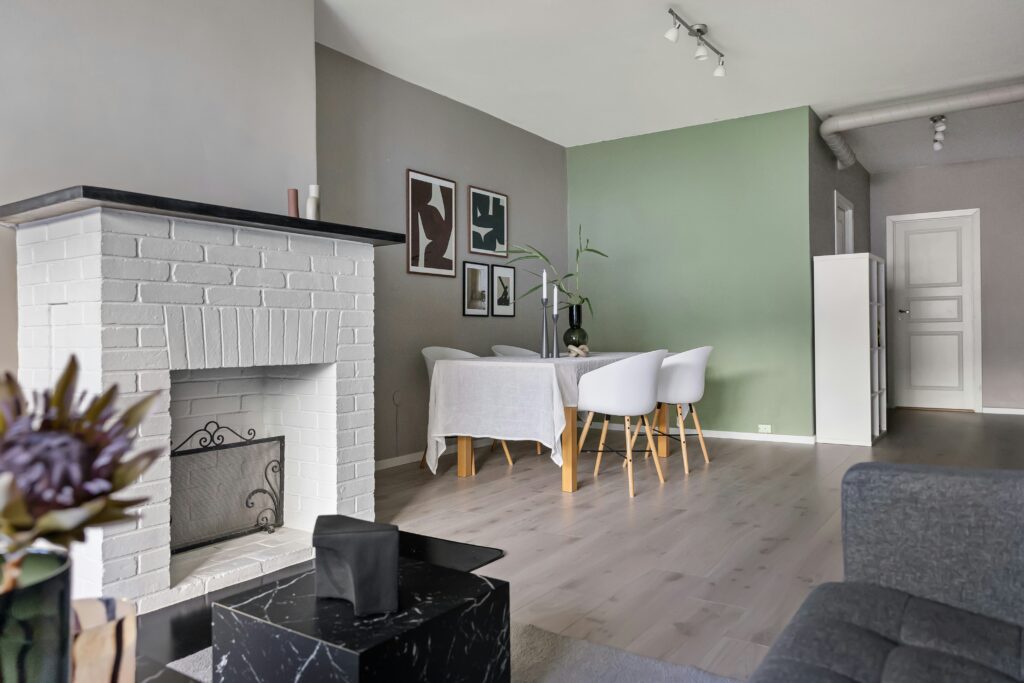
Social media has made interior design mistakes to avoid, trends move faster than ever. A particular fluted panel finish, an arched doorway, a specific shade of sage green , these things peak in popularity, saturate every design feed, and then start to look dated, sometimes within three to five years.
The problem isn’t following trends. The problem is investing your primary budget in trend-driven choices for elements that are expensive and difficult to change , flooring, cabinetry, feature walls, structural details.
We’ve spoken to homeowners who spent heavily on a maximalist, heavily patterned interior in 2019 and were already tired of it by 2022. A redesign wasn’t in the budget, so they lived with it.
What to do instead: Treat your core design elements , flooring, cabinetry, wall finishes, built-in furniture , as long-term investments. Choose materials and finishes that are timeless and neutral enough to age gracefully. Then use soft furnishings, cushions, artwork, plants, and decorative accessories to bring in current trends. These are significantly cheaper to update when your taste evolves, which it will.
For your colour palette, the 60-30-10 rule is a reliable guide: 60% dominant neutral colour, 30% secondary complementary colour, 10% accent colour. This ratio creates visual balance while giving you room to update the accent elements over time.
Mistake 5: Poor Space Zoning in Open-Plan Areas
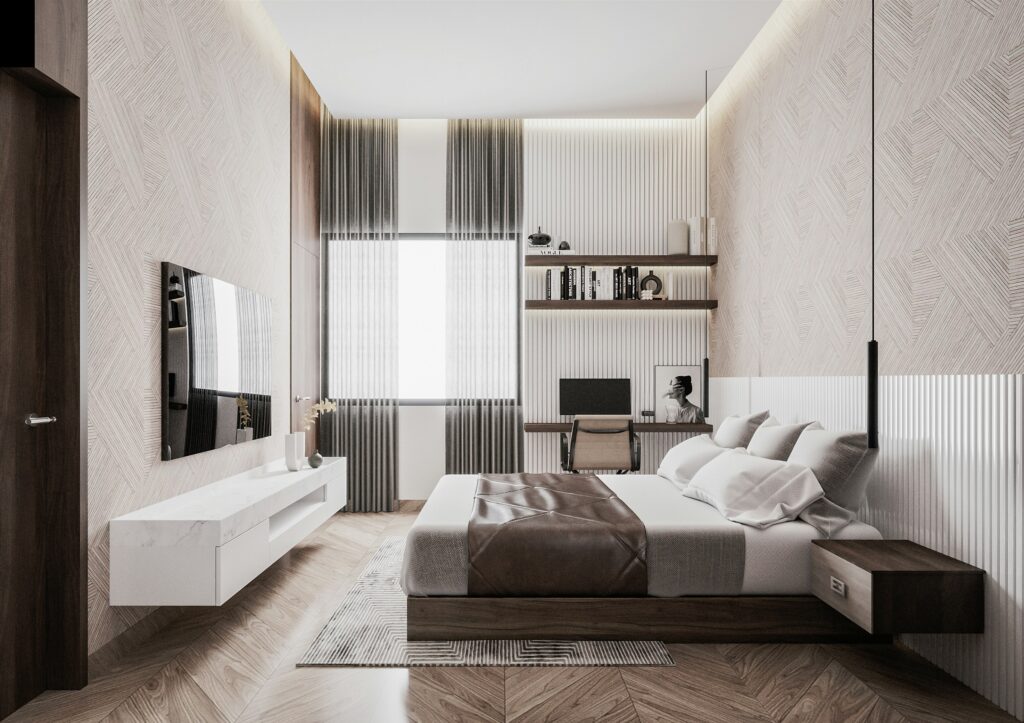
Open-plan living is one of the most popular design choices in modern Kerala homes , and one of the most commonly misunderstood.
An open plan does not mean unstructured. When a living area, dining space, and kitchen flow into one another without any visual definition, the result isn’t airy and modern , it’s chaotic and undefined. The eye doesn’t know where to rest. The spaces don’t feel purposeful. And the home never quite feels “put together” regardless of how good the individual furniture pieces are.
What to do instead: Even within an open layout, each functional zone needs its own visual anchor. Use a large area rug to define the living seating area. A pendant light positioned directly above the dining table anchors the dining zone. A kitchen island or breakfast counter creates a natural boundary between cooking and living spaces. Partial shelving units or low partition walls can add separation without closing the space off entirely.
Each zone should feel like it has a reason to exist , its own identity within the larger open canvas.
Mistake 6: Underestimating Storage Requirements
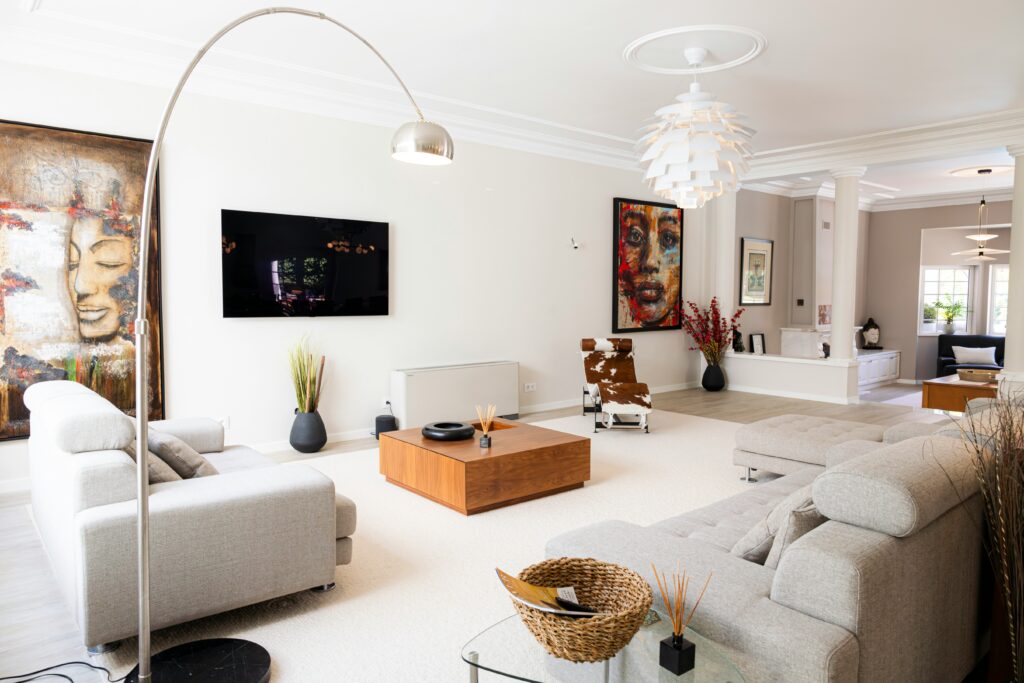
Storage is the most underrated element of interior design. It’s not glamorous. No one posts photos of their utility cupboard on Instagram. But insufficient storage is the single fastest way to destroy the aesthetic of an otherwise beautiful home.
We’ve seen it happen reliably: six months after moving into a meticulously designed space, surfaces are cluttered, wardrobes are overflowing, and there’s nowhere logical to store everyday items. The design looks messy. The homeowner feels stressed. And the fix , adding storage retrofits , always looks exactly like what it is: an afterthought.
What to do instead: Plan storage as a primary design element from day one. Every bedroom needs adequate wardrobe space planned for the actual number of occupants. There should be a dedicated linen or utility storage zone. The living area needs built-in storage for items like remotes, chargers, books, and board games. Kitchen cabinets need to be planned around how you actually cook, not around what looks symmetrical.
The best storage design is invisible , seamlessly integrated into the architecture so the home looks clean and intentional even when it’s fully lived in.
Our modular wardrobe and storage solutions are designed specifically around the way Kerala families use their homes , maximising every centimetre of available space without compromising on how the room looks.
Mistake 7: Getting the Colour Palette Wrong
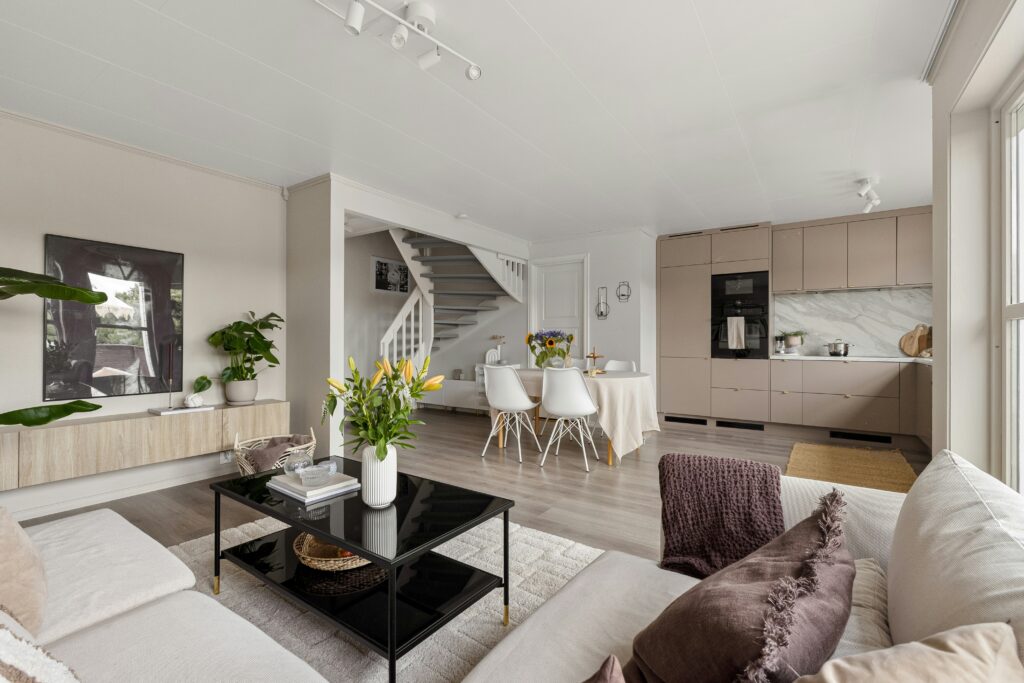
Colour is where confidence can work against you. A homeowner who is sure they want a deep terracotta accent wall painted it, steps back, and realises it makes the room feel like a cave. Or they go for a cool grey throughout , which looked sleek in the magazine , and find that in their home’s particular light, it reads as cold and unwelcoming.
Colours behave differently depending on the size of the surface, the direction of natural light, the artificial lighting type, and the materials around them. A swatch held up in a showroom is almost useless as a decision-making tool.
What to do instead: Before committing to a wall colour, paint a test patch of at least 60cm x 60cm on the actual wall. Observe it at different times of day , morning light, afternoon, and under your artificial lights at night. It will look different in each condition. Choose based on how it looks in the lighting condition you’ll most commonly experience in that room.
Also think beyond individual rooms. Stand in your hallway and look at how adjacent rooms relate to each other in terms of colour. A jarring colour jump between spaces breaks the visual flow of the home. Your palette should feel cohesive as a whole, not just room by room.
Mistake 8: Neglecting Natural Light and Ventilation
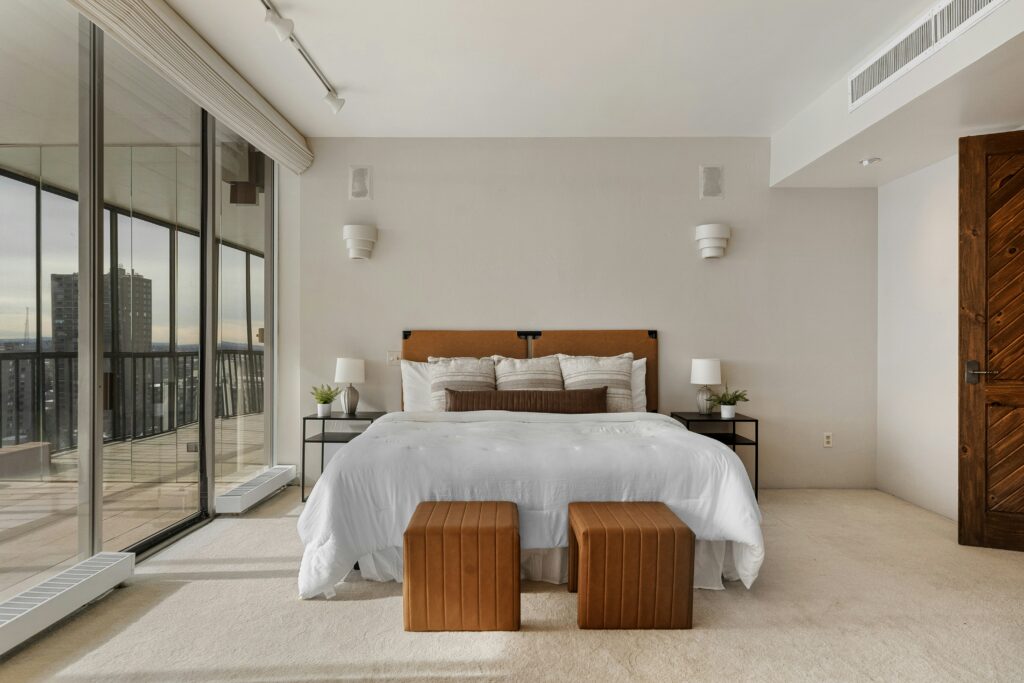
In most homes, window placement and orientation get decided early in the architectural phase , often without significant input from the people who’ll actually live there. By the time an interior designer comes on board, the windows are fixed and the ventilation strategy is already baked in.
This matters enormously in Kerala. The climate here means heat and humidity are constants for most of the year. A home that traps heat, blocks breeze, and relies entirely on air conditioning to be comfortable is not just expensive to run , it’s genuinely unpleasant to live in for long stretches.
What to do instead: If you’re still in the architectural planning phase, get involved in window placement decisions. Map how sunlight moves through your home at different times of day , east-facing rooms get morning light, west-facing rooms get intense afternoon sun. Position living areas and bedrooms based on which light quality suits how you use those rooms. Plan for cross-ventilation by ensuring there are openings on opposite sides of key rooms to allow air movement. Where harsh afternoon sun is unavoidable, use sheer curtains or solar window films to filter the heat without blocking the light entirely.
A home that breathes well and uses natural light intelligently feels better to live in than any amount of beautifully chosen furniture can compensate for.
Mistake 9: Not Planning for Future Family Needs
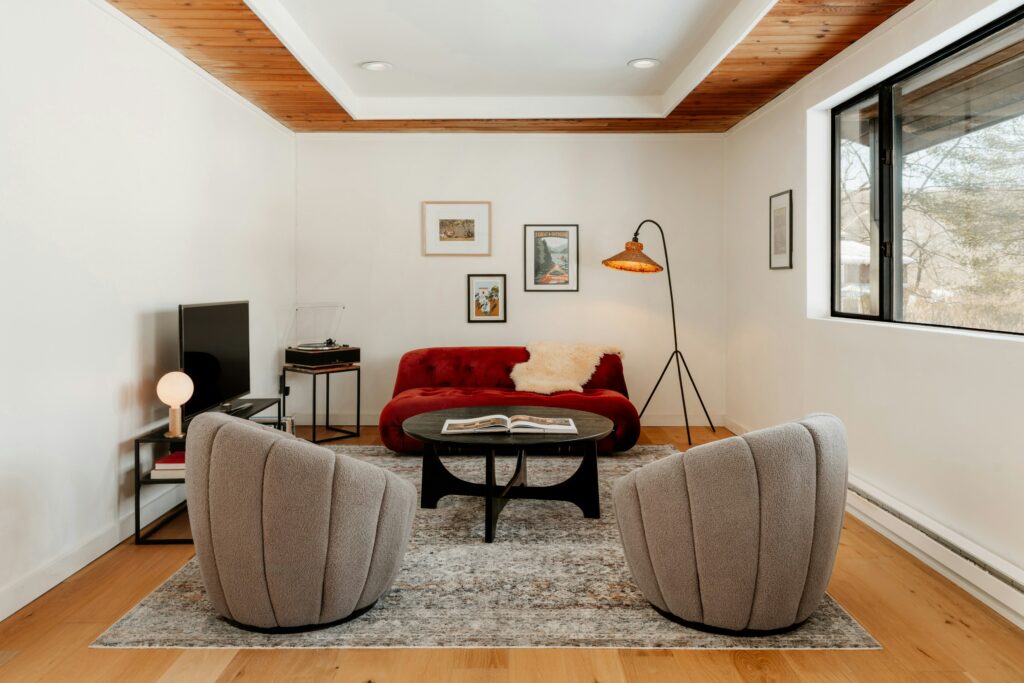
When you’re designing your home, you’re naturally thinking about your life as it is right now. A couple designs for two. A young family designs for their current child count. And the design is optimised for today’s version of the household.
But homes are long-term investments. The decisions you make now need to work for the next 15 to 20 years , through life changes you might not fully anticipate yet.
We’ve seen couples who designed without thinking about children end up with no safe play zone, steep staircases with no child safety planning, and a guest room that needs to urgently become a nursery. We’ve seen families who didn’t account for an elderly parent joining the household and then had no accessible ground-floor bedroom option.
What to do instead: Before finalising your design, spend some time thinking about where your family is likely to be a decade from now. Design multi-purpose rooms that can shift function as needs change. Run additional power and data cables to rooms that might one day become a home office. Consider accessibility-friendly features on ground floor spaces , wider doorways, minimal step thresholds , if elderly family members are a realistic consideration in your future. This kind of flexibility-first thinking costs very little at the planning stage and becomes invaluable later.
Mistake 10: Trying to Do It All Without Professional Help
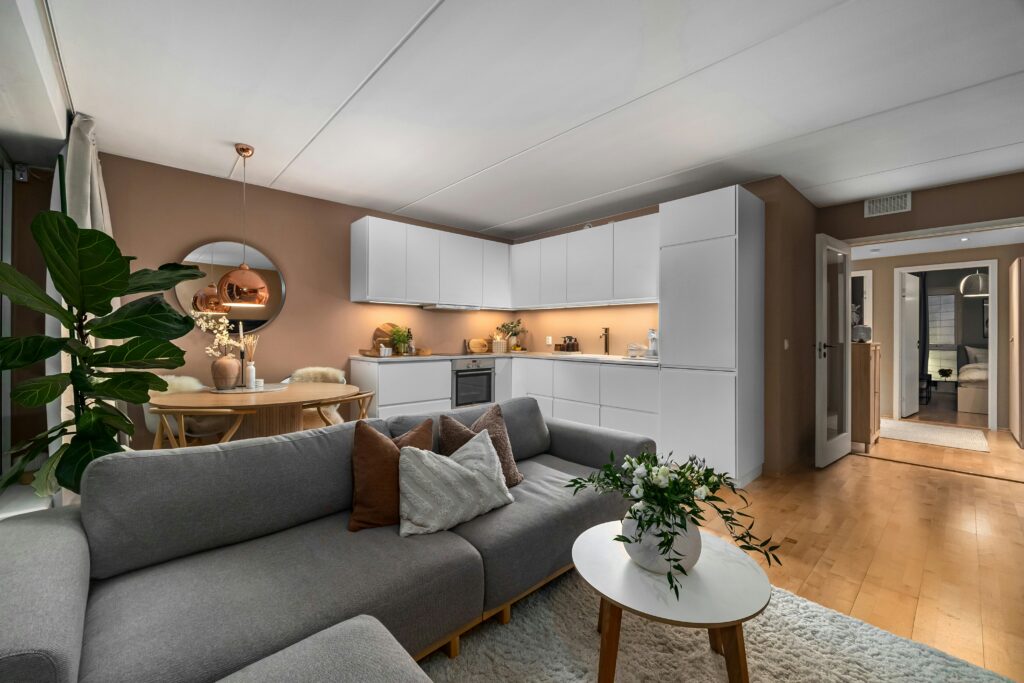
The internet has made interior design content more accessible than ever. YouTube walkthroughs, Instagram before-and-afters, Pinterest boards with thousands of saved images , it all creates the impression that designing a home is something you can fully manage yourself with enough research.
And to a point, you can. Homeowners who are involved, informed, and opinionated about their spaces make the best clients and end up with the best homes. But there’s a significant difference between being an informed participant in the design process and trying to replace the design expertise entirely.
What professional interior designers bring isn’t just an eye for aesthetics. It’s spatial planning knowledge built from hundreds of completed projects, deep material expertise, established vendor relationships, project coordination experience, and the ability to see how dozens of individual decisions interact with each other to create a cohesive whole.
Without that, homeowners often end up with spaces that look “almost right” , individually fine decisions that somehow don’t come together. The proportions feel slightly off. The materials don’t quite harmonise. Space never reaches its potential.
What to do instead: You don’t need to hand over every decision. The best design outcomes happen when homeowners bring their vision and preferences, and professionals bring the expertise to execute it properly. Get professional input especially for space planning, material selection, and anything structural or built-in , the decisions that are expensive to undo.
If you’re designing a new home anywhere in Kerala, Faboolux offers complete interior design services from concept through to handover. With transparent pricing, a proprietary 3D design process, and over 500 completed projects across Kerala, we’ve helped homeowners avoid every mistake on this list , and build homes they’re genuinely proud of.
Final Thoughts
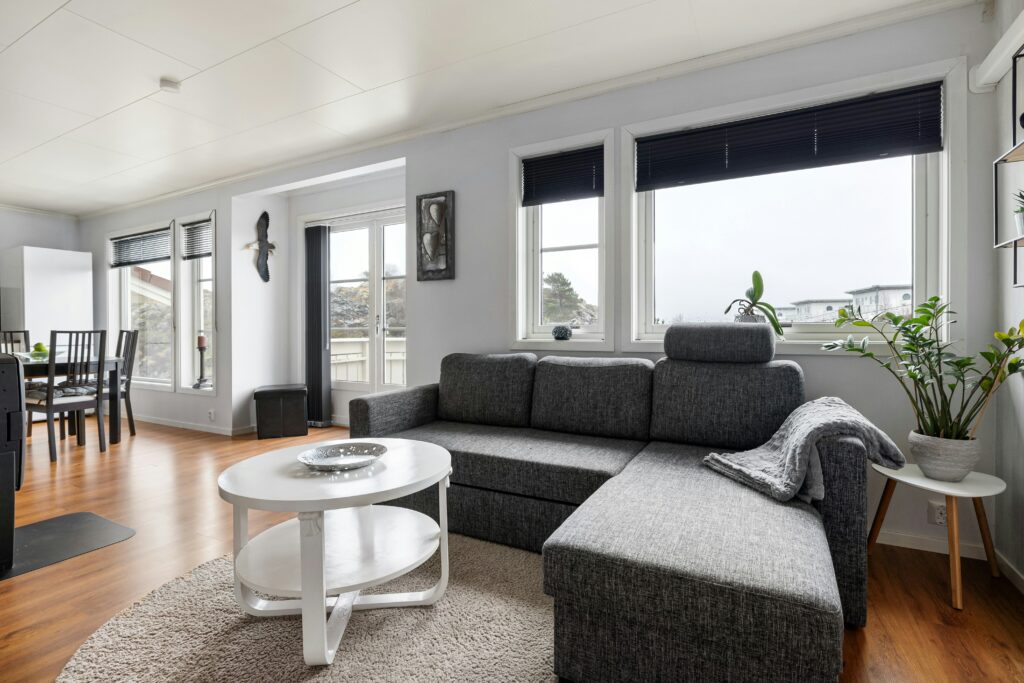
Looking back at this list, you’ll notice something: none of these interior design mistakes to avoid are obscure or unpredictable. They’re not the result of bad taste or wrong choices. They happen because designing a home is genuinely complex, the decisions come fast, and the excitement of the process makes it easy to skip steps that feel slow or administrative.
The homeowners who are happiest with their spaces five and ten years later are almost always the ones who resisted the urge to rush. They planned before they shopped. They asked for professional input before committing to the big decisions. They thought about the future, not just the present.
Your home is likely the largest investment you’ll ever make. It deserves a design process that matches that weight.
If you’re in the middle of planning your new home and want to make sure you’re getting it right , speak to the Faboolux team today. We’ll help you build a home that works beautifully, not just on day one, but for every year that follows.