
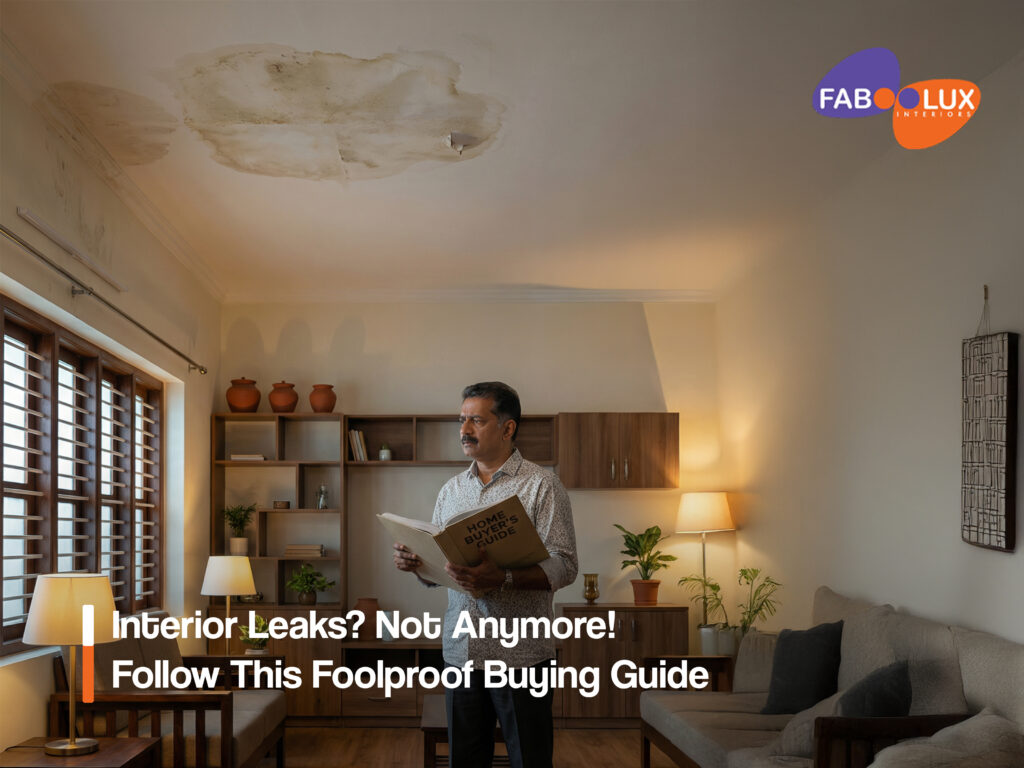
Have you ever walked into a room and noticed a faint damp smell? Or seen a tiny bubble forming on a painted wall and thought, “Ah… that’s not good”?
Interior leaks are sneaky like that.
They don’t announce themselves loudly. They creep in quietly one drip, one damp patch, one swollen door frame at a time. Before you know it, you’re dealing with mold, peeling paint, warped wood, and repair bills nobody asked for.
And in humid places like Kerala?
Leaks are practically waiting for an opportunity.
But here’s the part most homeowners don’t realize:
Most interior leaks aren’t accidents. They’re preventable.
With the right pipes, quality fittings, and smart installation, you can create a home where leaks never become a recurring nightmare.
So let’s walk through this no-nonsense, foolproof buying guide – simplified, humanized, and built from real-world experience.
Why Do Interior Leaks Happen? (Let’s Keep It Real)
Before we fix the leaks of tomorrow, let’s understand the mistakes of today.
1. Water Pressure Throwing Tantrums
High or unstable pressure puts your plumbing under constant stress.
Imagine shaking a soda bottle every hour and something will burst.
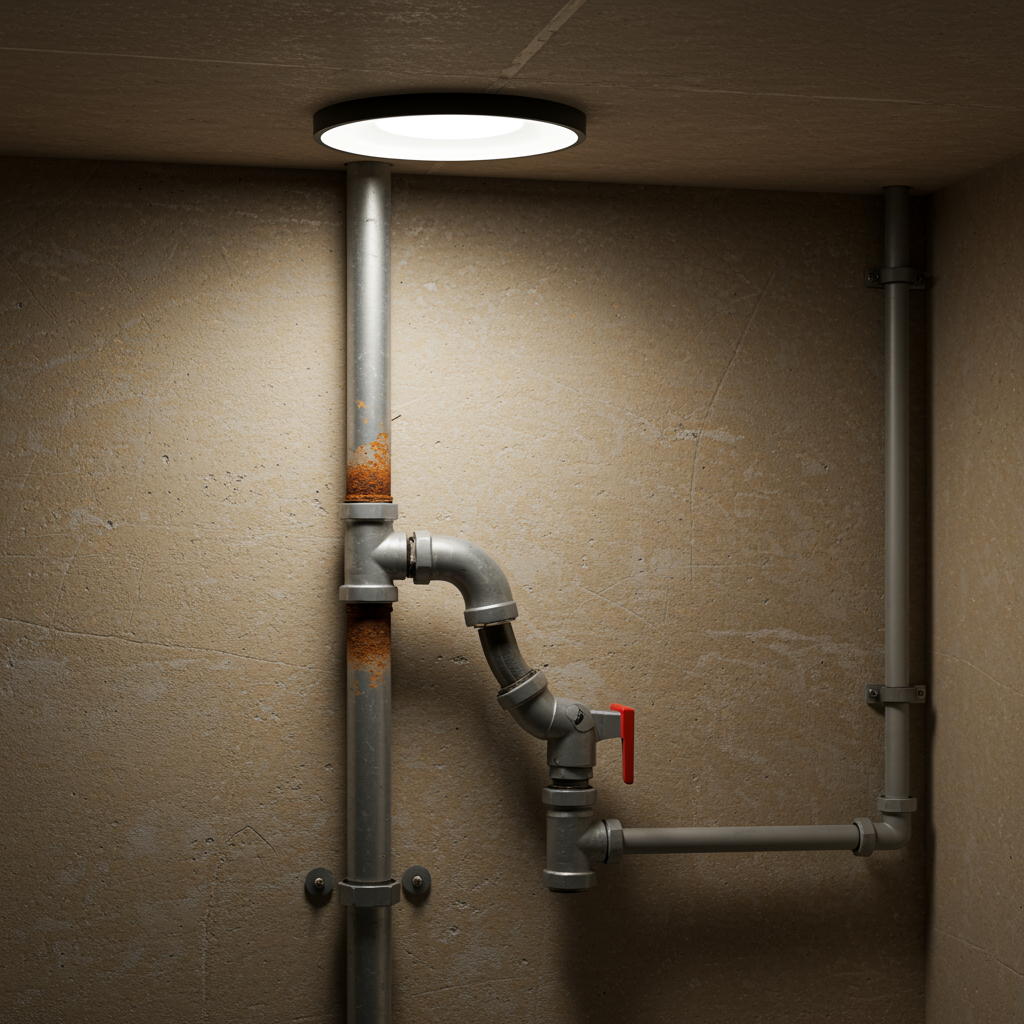
2. Corrosion & Material Aging
Certain metals in humid climates?
They rust, degrade, weaken… and eventually leak.
3. Installation Done in a Hurry
Even the best materials fail if installed poorly.
One wrong clamp or loose seal can ruin an entire wall.
4. Mismatched or Cheap Fittings
A ₹100 saved today can cost ₹10,000 tomorrow.
Cheap fittings = loose joints = future headaches.
Understanding the cause is half the cure.
Now let’s move into the buying decisions that actually prevent leaks.
Choose the Right Pipes – This Decision Alone Solves 50% of Leak Issues
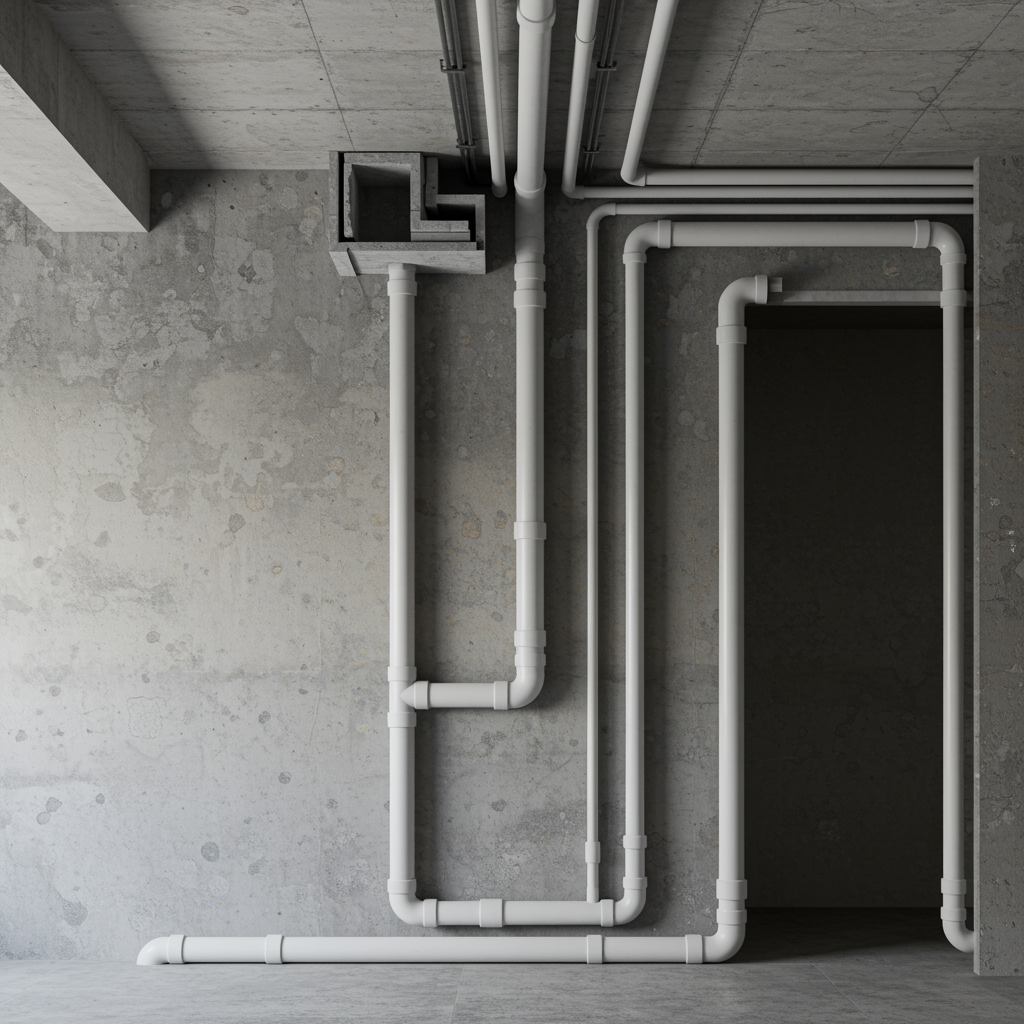
If plumbing is the backbone of a home, pipe material is the bone strength.
Choose wrong, and leaks become your roommate.
Why uPVC Pipes Are a Smart Choice
If homes had a “leak-prevention superhero,” uPVC would wear the cape.
- They don’t corrode – humidity can’t bully them.
- Smooth interiors mean less friction, fewer blockages.
- Strong jointing using solvent cement creates long-lasting seals.
Perfect for Kerala-like climates where metal pipes suffer early fatigue.
Other Pipe Materials (Use When Needed)
Copper Pipes
Premium, clean, and long-lasting but expensive.
A great choice when both durability and aesthetics matter.
PEX Pipes
Flexible enough to bend around corners like magic.
Fantastic for concealed plumbing inside walls or floors.
Just remember: they need compatible clamps and fittings.
Don’t Just Buy a Tap – Buy Leak Protection

Taps seem harmless… until they start dripping at 2 AM.
Here’s how to choose taps that don’t betray you:
Match the tap inlet to the pipe material
Brass taps + copper pipes = good.
Brass taps + steel pipes = corrosion risks.
Look for certifications
ISO, NSF, ISI – these stamps are your assurance that the tap won’t fail in six months.
Check thread size compatibility
A tiny mismatch = a tiny gap = a tiny leak that becomes a big problem.
Installation: The Hidden Hero of Leak-Free Interiors
Even premium materials fail if installation is careless.
1. Pressure Testing Is Non-Negotiable
Before closing walls or flooring test, test, and test again.
2. Use High-Quality Sealants
O-rings, Teflon tape, gaskets: these small things create big protection.
3. Support the Pipes Properly
Unsupported pipes move – joints strain – leaks appear.
4. Air-Seal Pipe Penetrations
Where pipes pass through walls or floors, seal them tight.
This blocks moisture from sneaking into hidden spaces.
Post-Installation: Maintenance That Actually Works
Leak prevention isn’t one moment, it’s a habit.
Regulate Water Pressure
Install a pressure regulator.
Your pipes will thank you.
Install Smart Leak Detection Sensors
A tiny device that alerts you before a leak becomes visible.
Especially useful for luxury homes, rentals, and second homes.
Insulate Exposed Pipes
Stops condensation (a major issue in Kerala’s humidity).
Test Shut-Off Valves Regularly
The day you need them, they must work.
A Note for Interior Designers: Your Designs Depend on Good Plumbing
Interior leaks are more than problems; they’re reputation destroyers.
1. Plumbing Choices Influence Design
Wall thickness, tile selection, fixture aesthetics all depend on plumbing layout.
2. Early Collaboration Avoids Rework
Designers + plumbers working together = zero last-minute surprises.
3. Waterproofing Is Mandatory in Humid Climates
Kerala bathrooms and kitchens need strong waterproofing and smart plumbing.
4. Long-Term Value = Happy Clients
A leak-free home is the best review you’ll ever get.
Conclusion: Build a Home That Stays Leak-Free for Years

Interior leaks don’t happen by fate, they happen by choices.
When you combine:
- the right materials
- smart installation
- thoughtful maintenance
…you get a home that stays dry, strong, and stress-free.
Ready for Leak-Free Interiors?
Let’s create a home that looks great today and stays problem-free tomorrow with interiors designed to keep moisture where it belongs.