
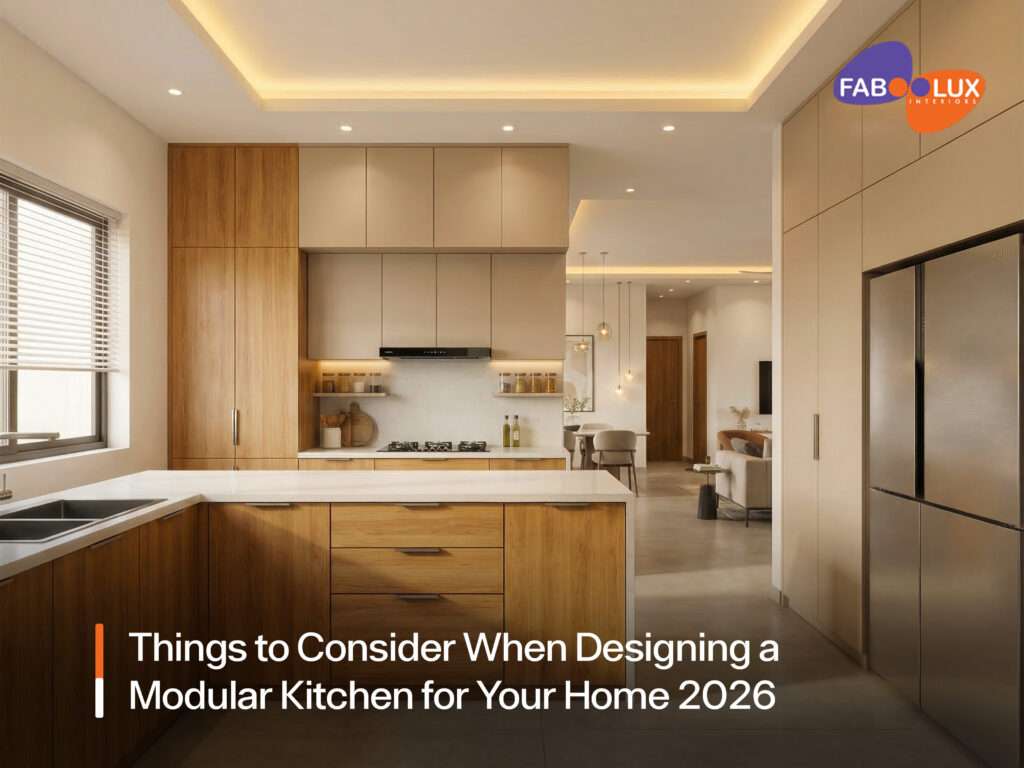
Let’s be honest , modular kitchen design tips, renovating your kitchen is one of the most stressful things you can do as a homeowner.
There are a hundred decisions to make, a dozen vendors giving you conflicting advice, and somewhere in the middle of all of it, you’re still trying to figure out whether you actually need a magic corner unit or if the salesperson is just upselling you.
If you’re a flat owner in Kochi or a villa owner in Thrissur thinking about upgrading your kitchen in 2026, you’re not alone. Modular kitchen design tips have become the default choice for homeowners across Kerala , and for good reason. They’re efficient, they look great, and when designed properly, they make cooking feel less like a chore and more like something you actually enjoy.
But “designed properly” is doing a lot of work in that sentence.
The difference between a modular kitchen design tips that works beautifully five years later and one that frustrates you every single day comes down to the decisions you make before a single cabinet is installed. This guide covers the essential modular kitchen design tips for your home , from getting your measurements right to choosing materials that actually survive Kerala’s humidity.
Let’s get into it.
1. Understand Your Kitchen Space and Choose the Right Layout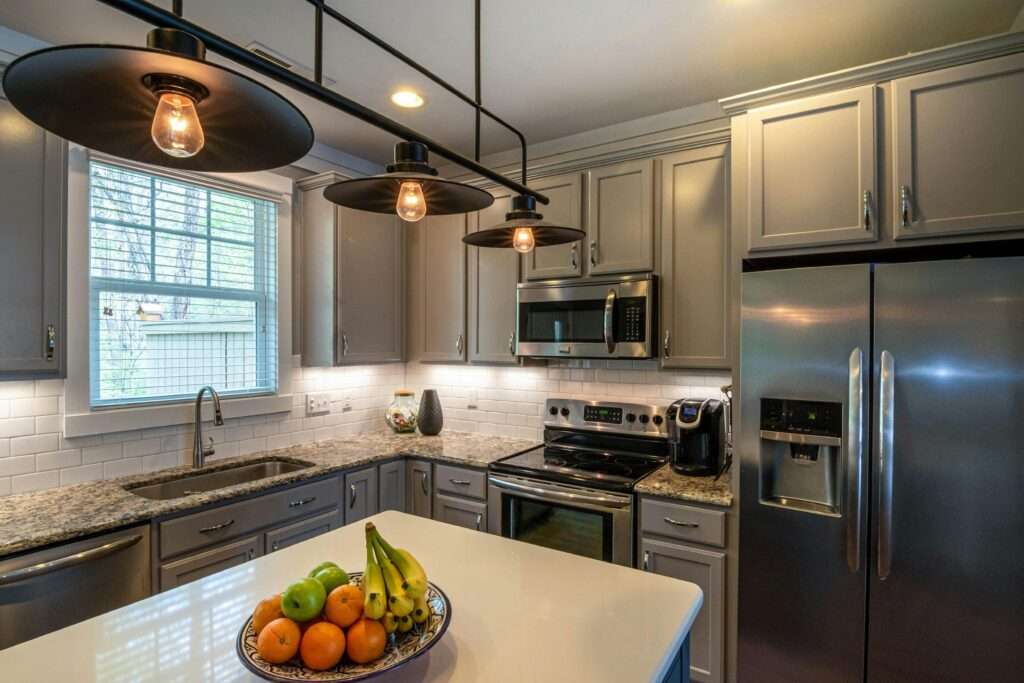
Measure Everything , and Then Measure Again
Before you look at a single catalogue or walk into a single showroom, measure your kitchen. Accurately.
This means the full length and width of the space, ceiling height, exact positions of doors and windows, and the location of existing plumbing and electrical points. If you’re in a flat, note where the drainage outlet is , this directly affects where your sink can go, and moving plumbing in an apartment is expensive and sometimes not possible at all.
Awkward spaces , a column that breaks up your wall, a beam that cuts into your overhead cabinet height , need to be documented too. A good modular kitchen designer will work around these. But only if they know about them.
Pick the Layout That Actually Fits Your Home
Once you have your dimensions, you can think about layout. The most common options are:
L-shaped: Works well for small to medium kitchens, which covers most flats in Kerala. It keeps the cooking zone compact and leaves room for a small dining area or breakfast counter.
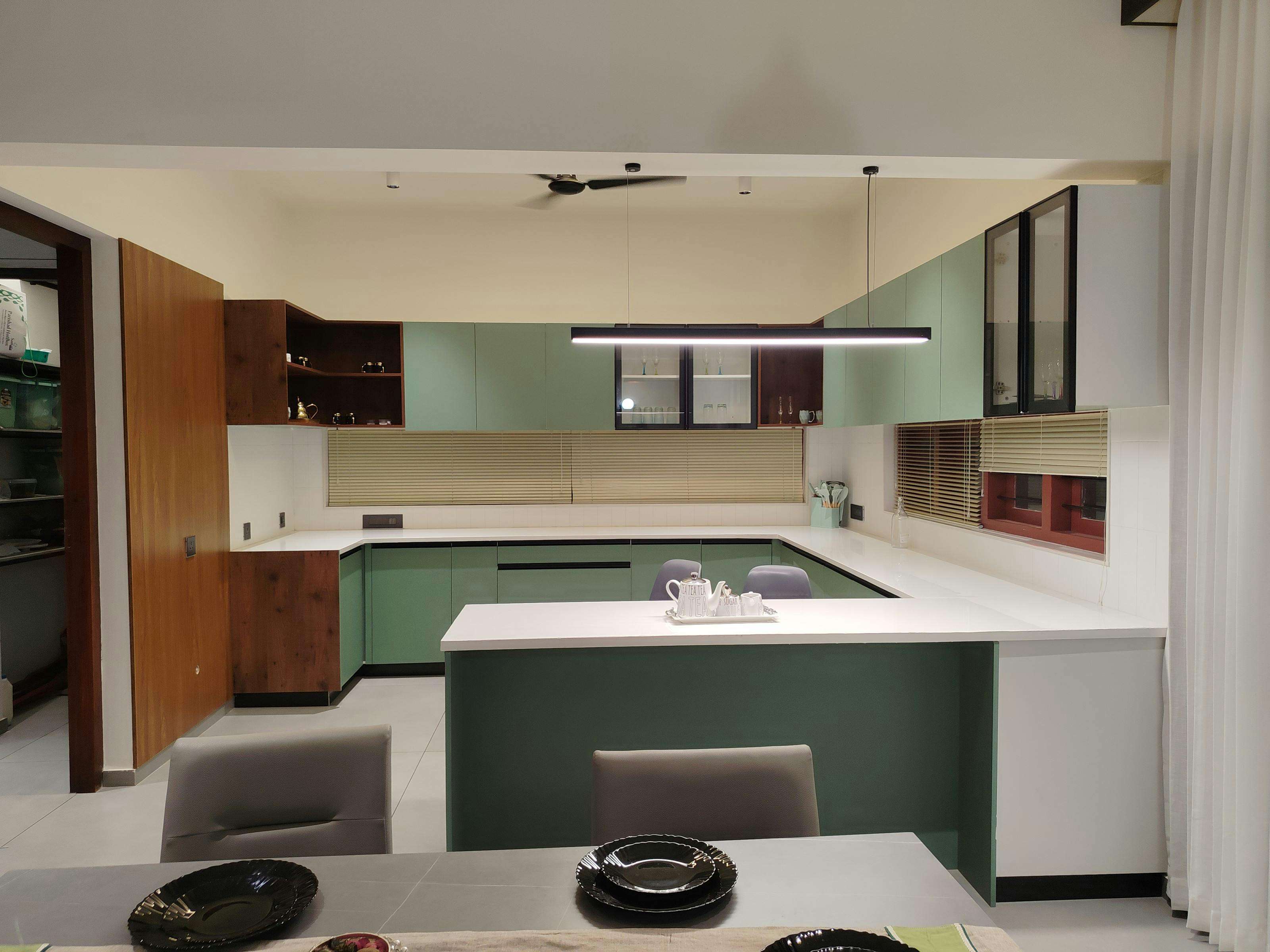
U-shaped: Maximum storage and counter space. This is the layout of choice for larger villa kitchens where you have three walls to work with. If storage is your priority, this is it.
Parallel / Galley: Two parallel counter runs facing each other. Ideal for narrow kitchens where an L-shape won’t fit comfortably. Surprisingly efficient if laid out well.
Island layout: A premium option for spacious, open-concept homes. The island adds counter space, storage, and a natural social zone. But you need enough floor space , at least 90–100cm of clearance on all sides of the island.
Whichever layout you choose, apply the work triangle principle , your sink, hob, and refrigerator should form a triangle with each leg between 120cm and 270cm. This keeps the three most-used points in the kitchen within easy reach of each other without making you walk unnecessary distances while cooking.
If your kitchen opens into your living area, also think about how the two spaces flow visually. An open-concept layout needs a modular kitchen design tips that looks as good as it functions , because it’s always on display.
2. Set a Realistic Budget , Before You Fall in Love With Anything
Know What You’re Actually Paying For
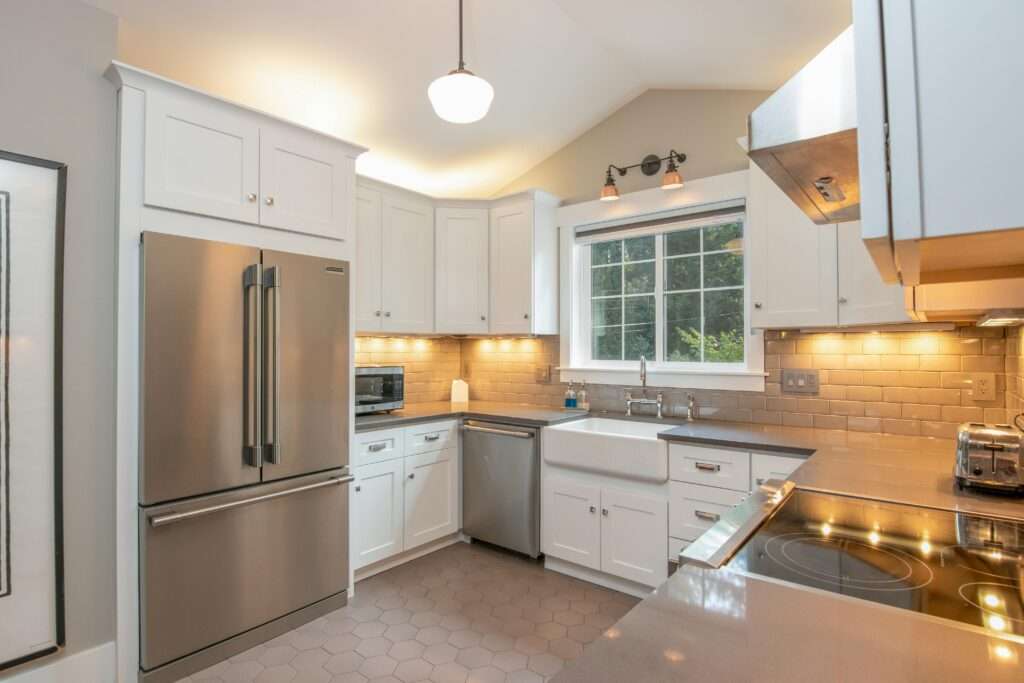
Modular kitchen costs in India in 2026 range from around ₹1,50,000 for a basic setup to ₹10,00,000 and above for premium materials with high-end appliances. That’s a wide range , and where you land depends entirely on the choices you make across several components.
A rough breakdown to keep in mind:
- Cabinets and carcass: 40–50% of total budget
- Countertops: 15–20%
- Appliances: 20–25%
- Hardware and fittings: 10–15%
For flat owners working with a tighter footprint, a well-planned budget of ₹3–5 lakhs can deliver a genuinely excellent kitchen. Villa owners with larger spaces and more cabinetry to fill should realistically plan for ₹6 lakhs and above for quality materials.
Don’t Forget the Hidden Costs
This is where a lot of homeowners get caught off guard. The quote you get from a modular kitchen design tips vendor typically covers the cabinets and countertops. It often doesn’t cover plumbing modifications, additional electrical work, wall tiling, or appliance installation.
Budget separately for these. They add up.
Material Finishes and What They Cost
- Laminate finishes: The most cost-effective option, starting around ₹800 per sq ft. Durable, wide variety of finishes, easy to maintain.
- Membrane finishes: A mid-range option with a slightly softer, more tactile look. Good balance of aesthetics and price.
- Acrylic and glass finishes: Premium category, ₹2,000–3,500 per sq ft. High-gloss, sleek, and visually striking , but show fingerprints easily and need regular cleaning.
Our recommendation at Faboolux: spend on quality where it matters most , carcass material, hardware, and countertop. These affect daily function and longevity far more than the shutter finish.
3. Plan Your Storage Like a Professional
Cabinets Are Not Just Boxes
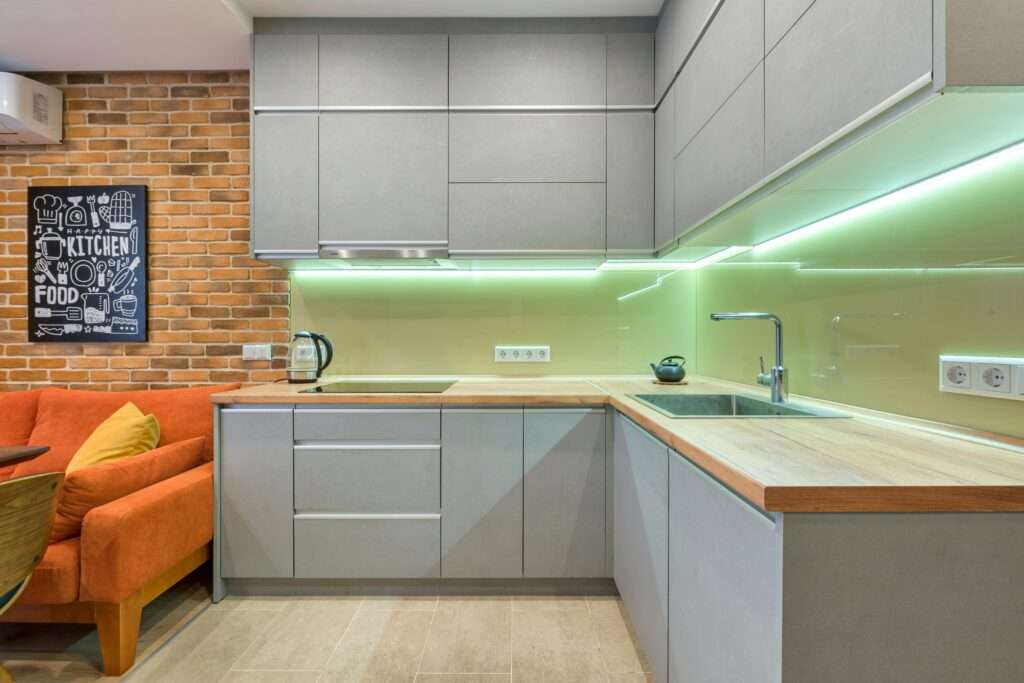
Good kitchen storage design is about thinking through how you actually use your kitchen , not just filling wall space with cabinets. Base cabinets with pull-out systems are dramatically more functional than fixed shelves. Tall pantry units for dry provisions keep your counters clear. Overhead cabinets need to be planned at a height you can actually reach comfortably.
Add soft-close mechanisms to all shutters and drawers. This is a small cost that makes a big difference to the everyday experience of the kitchen , and prevents the slow destruction of hinges from drawers being pushed shut.
Storage Accessories Worth Investing In
The right internal accessories transform a modular kitchen from adequate to genuinely brilliant:
- Magic corners and carousel units for corner spaces that would otherwise be dead zones
- Spice pull-outs beside the hob for easy access while cooking
- Cutlery dividers and plate racks inside base cabinets
- Bottle pull-outs for oils, vinegars, and tall containers
- Waste segregation drawers , increasingly essential in 2026 with separate wet and dry waste requirements
Small Kitchen? Use Every Centimetre
For compact flat kitchens, floor-to-ceiling storage utilisation is non-negotiable. Wall-mounted shelves above the counter for everyday items. Hooks on cabinet doors for lids and small utensils. Pull-out cutting board units built into the counter. Every centimeter you don’t use is storage you’re leaving on the table.
4. Choose Materials That Will Last
Countertop Options
Your countertop takes more daily abuse than any other surface in the kitchen. Choose accordingly.
- Granite: The traditional Kerala favourite. Extremely durable, heat resistant, and available locally at ₹250–600 per sq ft. Requires sealing periodically but lasts decades.
- Quartz: Engineered stone with excellent stain resistance and a very consistent appearance. ₹400–800 per sq ft. Doesn’t need sealing. Great choice for modern kitchens.
- Solid surface: Seamless appearance with no grout lines. Easy to maintain and repairable if scratched.
- Laminate: Budget-friendly, but not suitable as a primary countertop in a heavily used kitchen , it doesn’t handle heat or moisture well over time.
Cabinet Carcass , Don’t Compromise Here
The carcass is the structural skeleton of your kitchen. In Kerala’s humidity, marine-grade or BWR plywood is the best choice , it resists moisture and warping over years of use. MDF can work but requires proper waterproofing treatment. Particle board is the most economical option but the least durable in humid conditions , not our recommendation for kitchens in this climate.
Hardware Quality Matters More Than You Think
Hinges and drawer channels determine how your kitchen feels and functions every single day. Branded hardware from manufacturers like Hettich, Häfele, or Blum costs more upfront but operates smoothly for 10–15 years without issues. Local alternatives may look identical initially but tend to fail within a few years of regular use.
5. Plan Your Appliances and Services Before the Cabinets Are Built
Built-in vs. Standalone
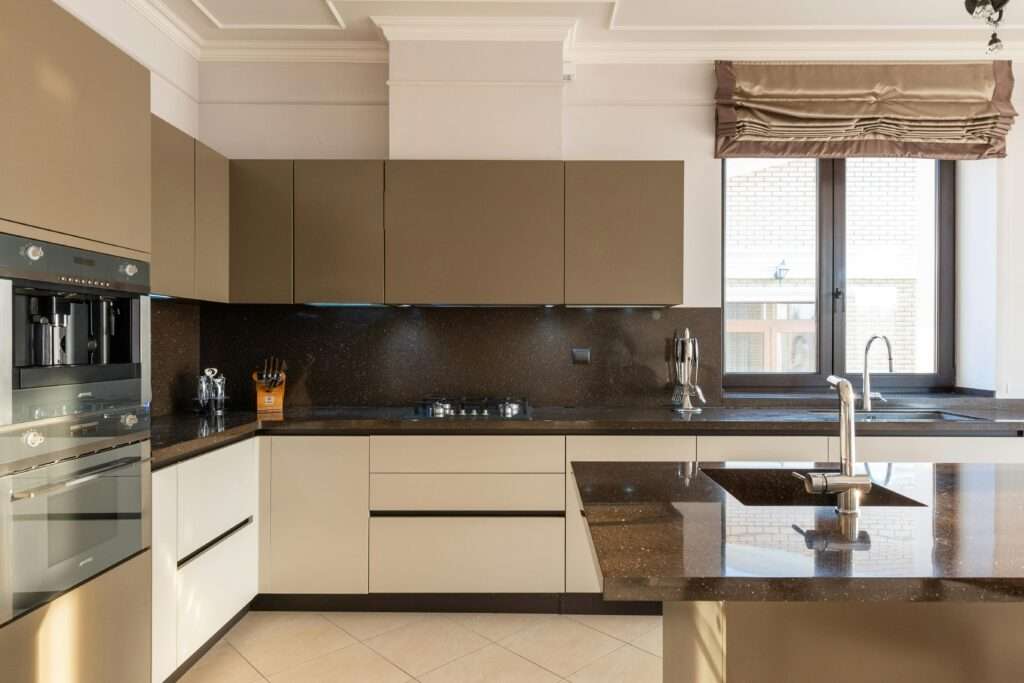
Built-in appliances , ovens, microwaves, dishwashers , give your kitchen a streamlined, integrated look and are excellent space savers for flat kitchens. Standalone appliances offer more flexibility and are generally easier to service or replace.
For most Kerala homeowners designing a modular kitchen in 2026, a hybrid approach works well: built-in chimney, hob, and oven; standalone refrigerator and microwave.
Essential Appliance Considerations
Chimney: Position your chimney directly above the hob, ideally 24–30 inches above the cooking surface. Size it to match or slightly exceed your hob width. Auto-clean models are worth the premium.
Hob: Gas hobs remain the preference for most Kerala kitchens , the cooking style here involves high-heat cooking that induction doesn’t always replicate as satisfyingly. That said, induction hobs are growing in popularity for safety and cleanliness.
Dishwasher: If you’re planning the space, plan for a dishwasher even if you’re not buying one immediately. Reserve the under-counter space and run the plumbing connections. Adding it later without pre-planning is significantly harder.
Refrigerator: Plan your refrigerator position at the end of a counter run, never in the middle. It needs ventilation clearance on the sides and top, and you want the door swing to work with , not against , the kitchen flow.
Electrical and Plumbing: Get This Right First
Before a single cabinet is installed, your electrician needs to place dedicated circuits and plug points for each major appliance. High-power appliances , chimney, oven, dishwasher , need their own dedicated circuits. Don’t share these with general kitchen outlets.
Plan for more plug points than you think you need. You will always find a use for them.
Plumbing connections for the sink and dishwasher need to be in their final positions before the cabinets go in around them. Changes after installation are disruptive and expensive.
One Last Thing Before You Start
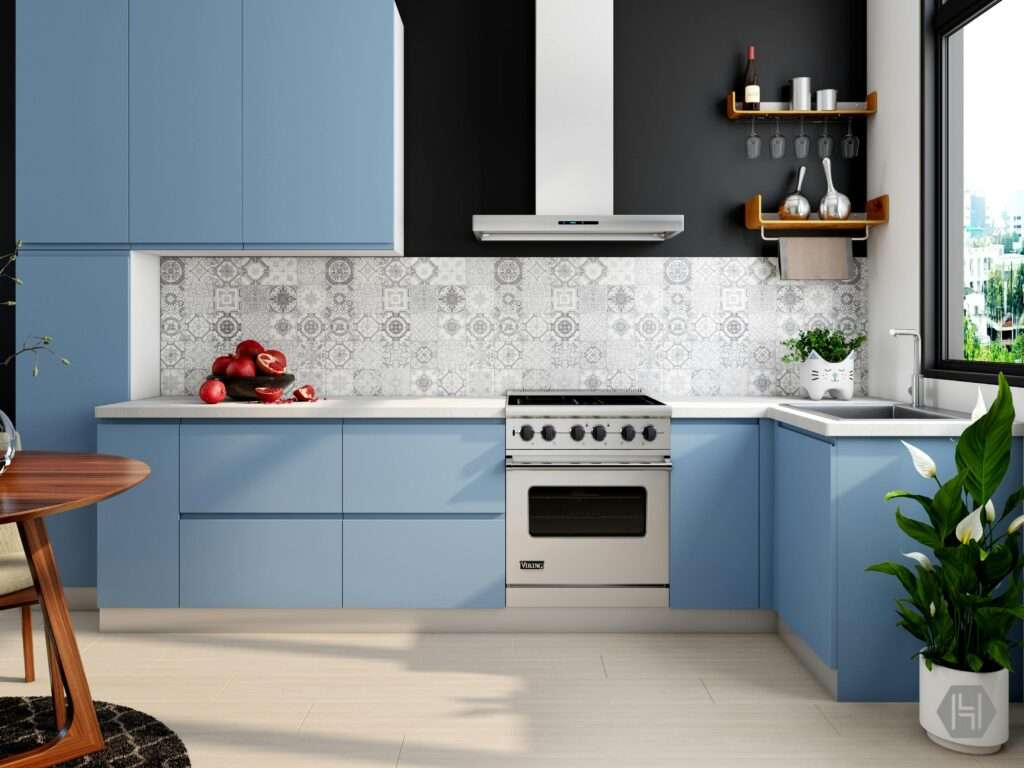
A well-designed modular kitchen doesn’t happen by accident. It’s the result of good planning, honest budgeting, and working with people who’ve done this enough times to anticipate the problems before they happen.
At Faboolux, we’ve designed modular kitchens across Kerala , from compact flat kitchens in Kochi to large villa kitchen spaces in Thrissur and Calicut. Every project starts with understanding how the family actually cooks, what they store, and how the kitchen connects to the rest of the home.
If you’re planning a modular kitchen and want to get it right, talk to our design team. We’ll help you build something that works as well on day one as it does five years from now.